I don't know what my life is for
I am doing all the things, and none of it seems to be for anything.
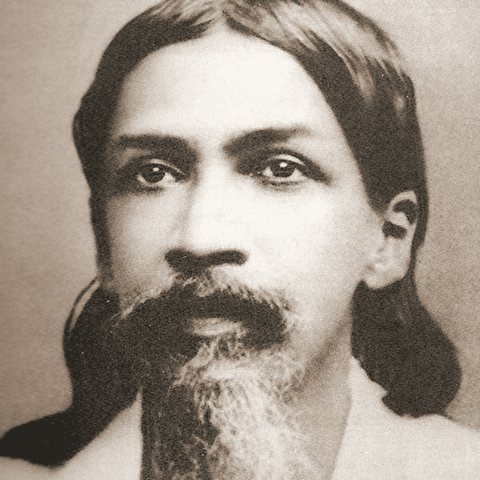

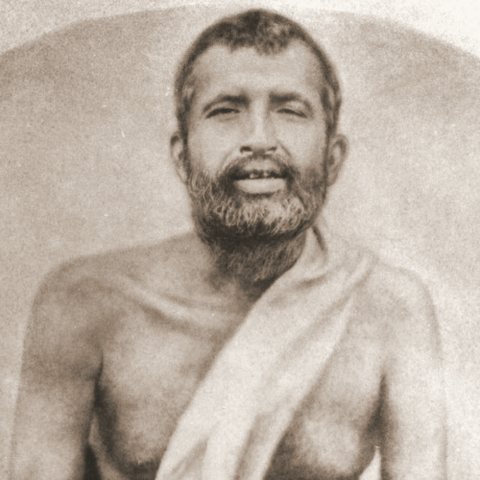
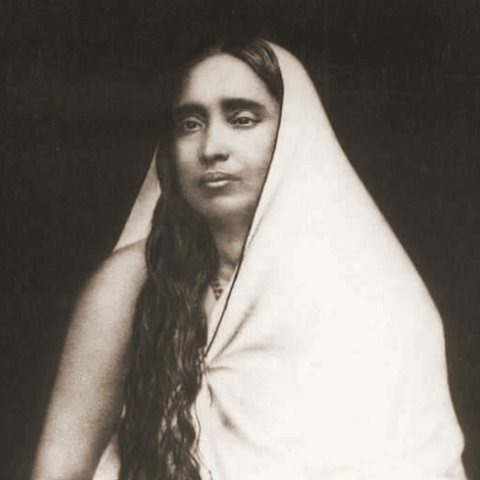
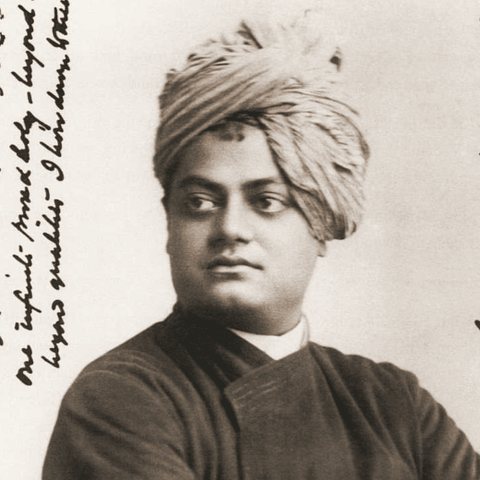
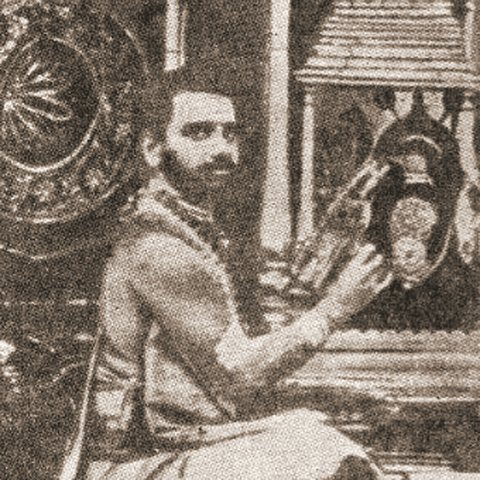
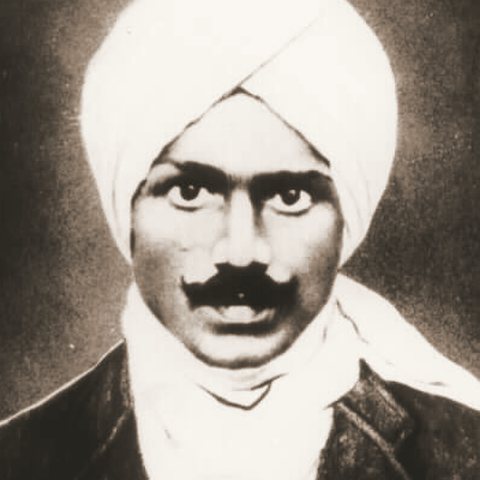
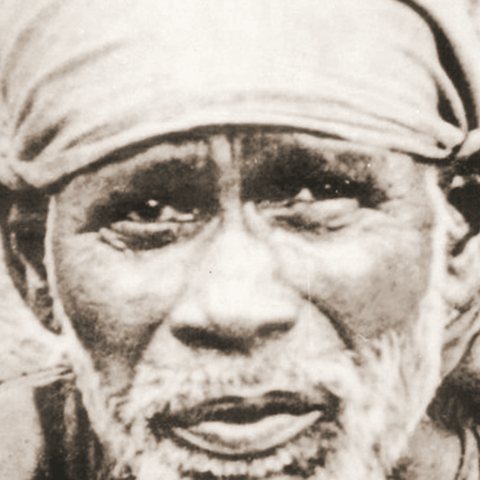
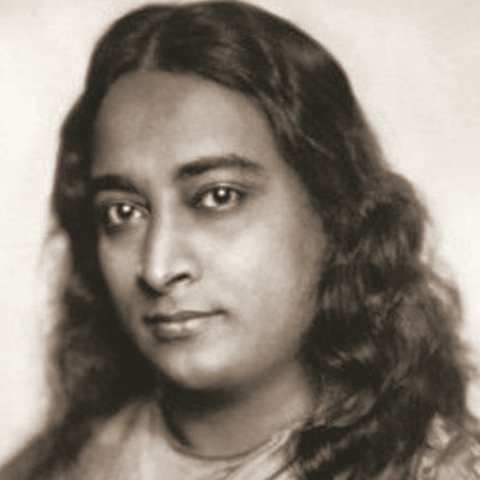
The Mother begins where most advice does not: “an aimless life is always a miserable life,” and the quality of your life will depend on the quality of your aim. So have one—any real one, held steadily, is better than drifting. Then the traditions redirect the question. Vivekananda: each soul is potentially divine and the whole of religion is to manifest it, by work, love, meditation or knowledge—the aim is not a job but a direction. Yogananda: “Man has come on earth solely to learn to know God.” Ramakrishna: born in vain is the one who does not attempt it in this very life. The Gita says your own duty, done imperfectly, is better than another's done well—the work is already yours. Bharathi asks Shakti why she would make a fine veena and throw it in the dust. And the Gospel of Thomas: bring forth what is within you, or what you do not bring forth will destroy you.
It is the spirit and the consciousness in which it is done that makes an action Yogic—it is not the action itself.
An aimless life is always a miserable life. Every one of you should have an aim. But do not forget that on the quality of your aim will depend the quality of your life.
He is born in vain who, having attained the human birth, so difficult to get, does not attempt to realize God in this very life.
One must do some work. Through work alone one can remove the bondage of work, not by avoiding work.
Each soul is potentially divine. The goal is to manifest this Divinity within by controlling nature, external and internal.
Do the duty that is yours, in the place where you are, without envying the duty that is another's. That is how the whole is held together.
மனதில் உறுதி வேண்டும்,
வாக்கினிலே இனிமை வேண்டும்;
நினைவு நல்லது வேண்டும்,
நெருங்கின பொருள் கைப்பட வேண்டும்Firmness in the mind I need, / sweetness in speech I need; / good thoughts I need, / and what I reach for should come to hand.
Manadhil uṟudhi vēṇḍum, / vākkinilē inimai vēṇḍum; / ninaivu nalladhu vēṇḍum, / nerungina poruḷ kaippaḍa vēṇḍum
Ma, I am with you in the house all the time. You are not away from me. The work that you are doing—cooking with your own hands and feeding the people—that is the highest sadhana for the householder.
Make Me the sole object of your thoughts and actions; and you will, no doubt, attain Paramartha (the spiritual goal of life).
So long as you breathe the free air of earth, you are under obligation to render grateful service.
श्रेयान्स्वधर्मो विगुणः परधर्मात्स्वनुष्ठितात् ।
स्वधर्मे निधनं श्रेयः परधर्मो भयावहः ॥
Better one's own duty, done imperfectly, than another's duty done well. Better to die in one's own duty; another's is full of fear.
तत्त्वमसि
That thou art.
மனத்துக்கண் மாசிலன் ஆதல் அனைத்தறன்
ஆகுல நீர பிற.
To be free of stain in the mind—that is the whole of virtue. All else is empty show.
तदा द्रष्टुः स्वरूपेऽवस्थानम् ॥
Then the seer rests in its own nature.
Working in the true spirit
- Choose any ordinary task of the day—not a special one.
- Do it with full attention and care for its perfection, as if it mattered absolutely, while holding inside a quiet remembrance of what you are doing it for.
- Expect nothing back—no thanks, no result. Let the doing be the offering.
- Notice afterwards whether the mind is quieter than it was. That, she says, is meditation.
If you had to name one aim for this year—not the right one, just a real one—what would it be?
Other questions