I keep losing my temper
I lost my temper again with someone I love, and I hate myself for it.
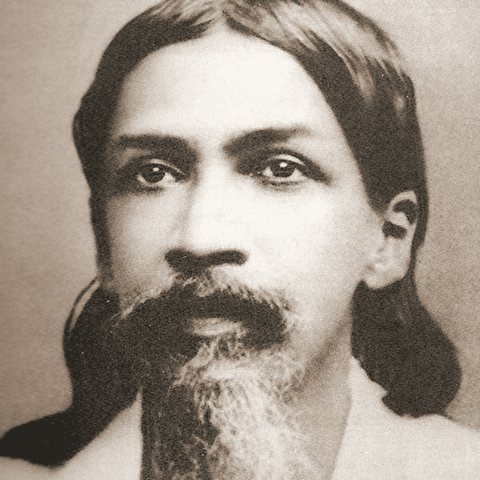
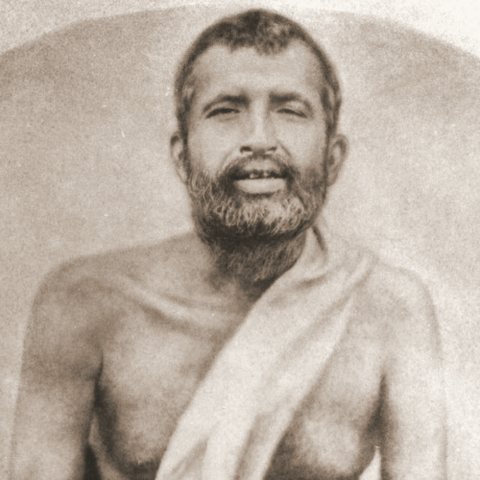
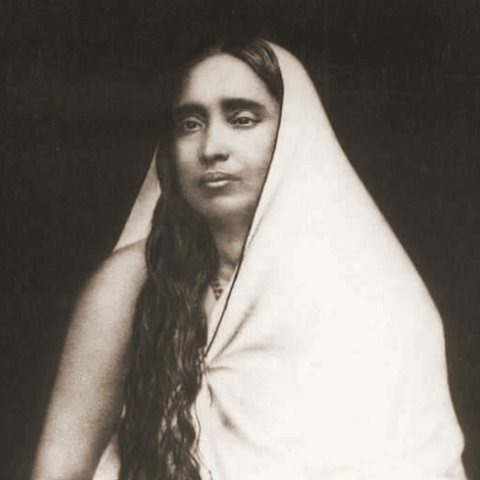
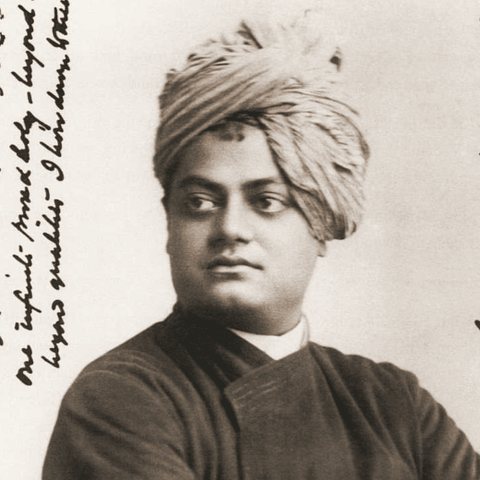
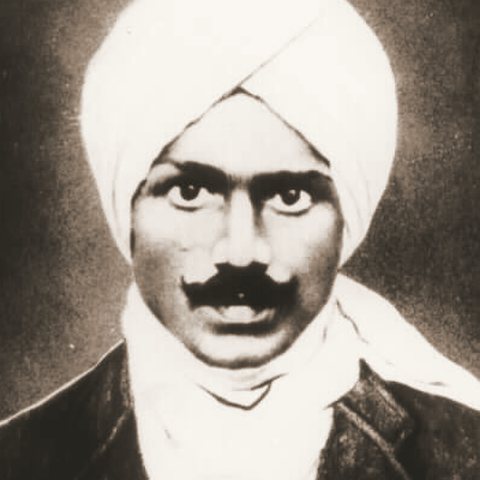
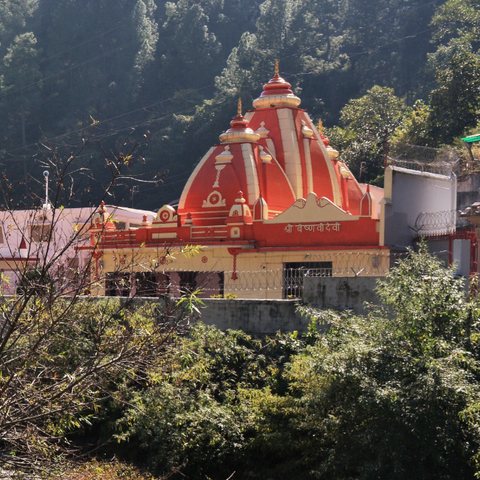
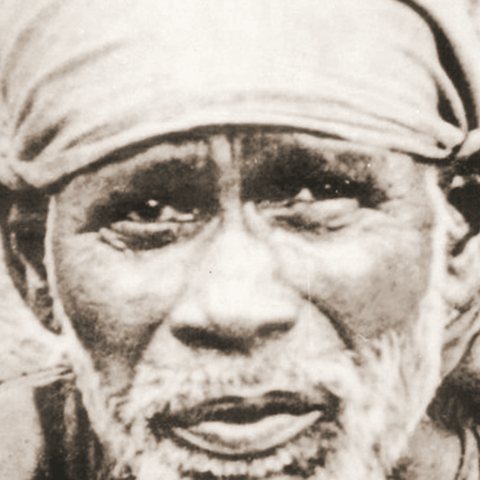
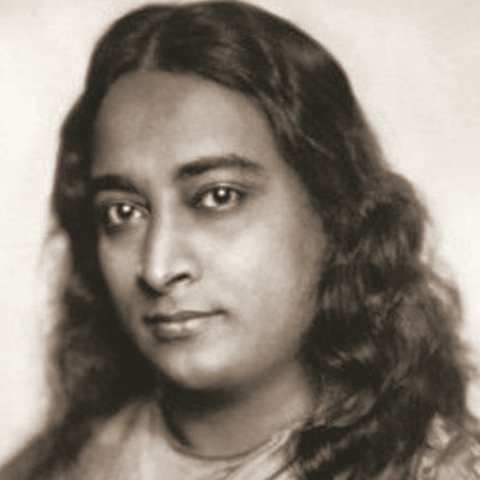
Start with Neem Karoli Baba, because he is the kindest: “It's very difficult to overcome anger. Some of the greatest saints don't overcome anger.” He asks for a little less each day, and one boundary—never put the person out of your heart. Then the diagnosis: the Gita's chain from a thought dwelt on to attachment to desire to anger to ruin, link by link; Sri Yukteswar's “wrath springs only from thwarted desires.” Then the method. Sri Aurobindo: expressing anger entrenches it, suppressing it only holds it down; stand back, look at it, and say “I don't want this.” Vivekananda: catch it in the germ, before you know it is acting on you. And the oldest rule of all, in the Dhammapada, in Valluvar, in Marcus Aurelius: hatred is never ended by hatred; the way to punish someone is to do them good and forget it.
If you give expression to anger, you prolong or confirm the habit of the recurrence of anger; you do not diminish or get rid of the habit.
One cannot have the vision of God as long as one has these three — shame, hatred, and fear.
If you want peace of mind, do not find fault with others. Rather see your own faults. Learn to make the whole world your own. No one is a stranger, my child; the whole world is your own.
By meditation you can make the mind subdue these waves, and if you go on practicing meditation for days, and months, and years, until it has become a habit, anger and hatred will be controlled and checked.
தனியொருவனுக்கு உணவிலை யெனில்
ஜகத்தினை அழித்திடுவோம்If a single person is without food, / we shall destroy the world.
Thaniyoruvanukku uṇavilai yenil / jagaththinai azhiththiḍuvōm
Do what you do with another person, but never put him out of your heart.
Fie upon you, be ashamed, give up your hatred now and rest in peace.
Wrath springs only from thwarted desires. I do not expect anything from others, so their actions cannot be in opposition to wishes of mine.
ध्यायतो विषयान्पुंसः सङ्गस्तेषूपजायते ।
सङ्गात्सञ्जायते कामः कामात्क्रोधोऽभिजायते ॥
क्रोधाद्भवति सम्मोहः सम्मोहात्स्मृतिविभ्रमः ।
स्मृतिभ्रंशाद् बुद्धिनाशो बुद्धिनाशात्प्रणश्यति ॥
Dwelling on the objects of the senses, a person grows attached to them. From attachment comes desire; from desire, anger. From anger, confusion; from confusion, loss of memory; from loss of memory, the ruin of discernment; and when discernment is ruined, the person is lost.
இனிய உளவாக இன்னாத கூறல்
கனிஇருப்பக் காய்கவர்ந் தற்று.
To speak harsh words when kind ones are at hand is to pick the unripe fruit while the ripe hangs there.
मैत्रीकरुणामुदितोपेक्षाणां सुखदुःखपुण्यापुण्यविषयाणां
भावनातश्चित्तप्रसादनम् ॥
The mind grows clear by cultivating friendliness toward the happy, compassion toward the suffering, gladness toward the virtuous, and equanimity toward the wicked.
Manopubbaṅgamā dhammā, manoseṭṭhā manomayā;
manasā ce paduṭṭhena, bhāsati vā karoti vā,
tato naṁ dukkham anveti, cakkaṁ va vahato padaṁ.
All that we are is the result of what we have thought: it is founded on our thoughts, it is made up of our thoughts. If a man speaks or acts with an evil thought, pain follows him, as the wheel follows the foot of the ox that draws the carriage.
न तत्परस्य संदध्यात्प्रतिकूलं यदात्मनः ।
Do not do to another what you would find harmful to yourself. This, in brief, is dharma.
Judge not, that ye be not judged. For with what judgment ye judge, ye shall be judged: and with what measure ye mete, it shall be measured to you again. And why beholdest thou the mote that is in thy brother's eye, but considerest not the beam that is in thine own eye?
A little less anger, each day
- Do not resolve to stop being angry. He said the greatest saints could not.
- Resolve instead to give up a little today—one retort not made, one grudge held five minutes less.
- When you must confront someone, do it; but keep them in your heart while you do. That is the only rule he gave.
What did you want, that you did not get, just before the anger came?
Other questions