I have lost someone
Someone I love has died, and I do not know how to carry it.
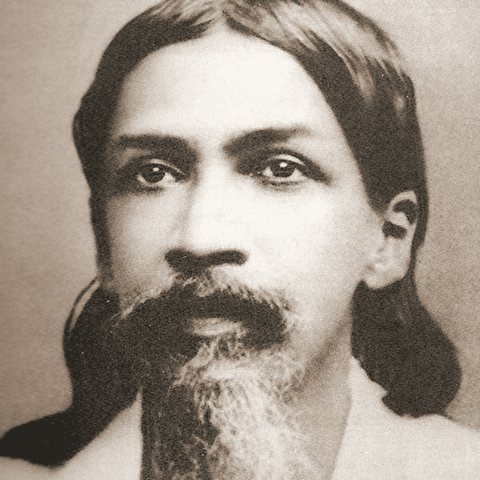

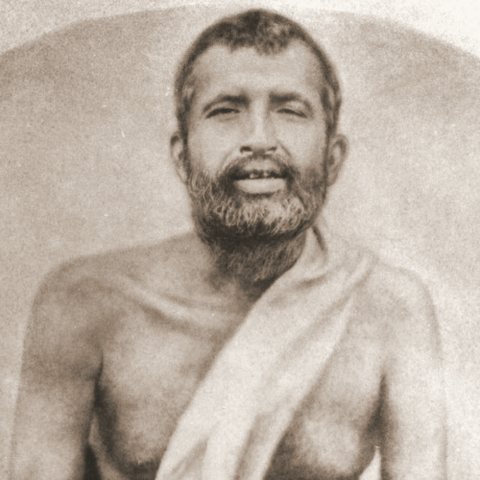
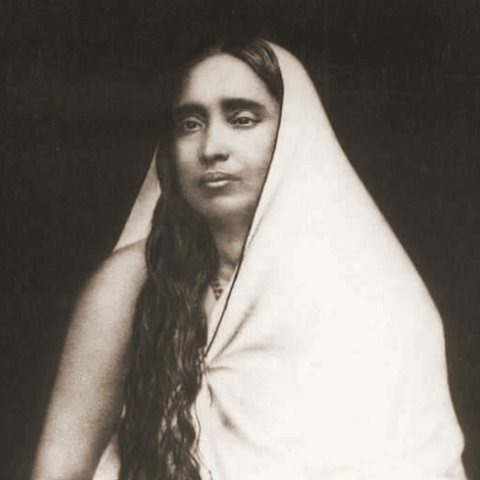
Every tradition in this library has sat beside the bereaved, and none of them says the same thing. The Mother asks you not to stop loving but to stop sorrowing, because she believed sorrow disturbs the one who has gone. Ramakrishna, who lists grief among the eight fetters we are born with, nonetheless licensed tears—turned toward God, he said, they wash away the clay. Valluvar simply states the fact—“yesterday he was; today he is not”—and calls it the greatness of the world. Yogananda says the departed know death as “a wondrous experience of peace and freedom.” Rumi's reed cries all night because it remembers where it came from. Sarada Devi says the plainest thing: difficulties come, and they do not last forever. We have not chosen among these. Read them slowly, and take the one that lets you breathe.
The tragedies of the heart & the body are the weeping of children over their little griefs & their broken toys. Smile within thyself, but comfort the children; join also, if thou canst, in their play.
Never forget that you are not alone. The Divine is with you helping and guiding you. He is the companion who never fails, the friend whose love comforts and strengthens.
Weep for God with a longing heart. Tears shed for Him will wash away the clay.
Difficulties always come but they do not last forever.
Grief is the natural sign of love; do not be ashamed of it. But perform the rites for the departed with care and then let them go, for holding on serves neither them nor you.
You get wisdom from suffering. You are alone with God when you are sick, in the cremation ground or hospital. You call on God when you suffer.
He who cometh to My Samadhi, his sorrow and suffering shall cease.
Pain and pleasure are transitory; endure all dualities with calmness, while trying at the same time to remove their hold.
मात्रास्पर्शास्तु कौन्तेय शीतोष्णसुखदुःखदाः ।
आगमापायिनोऽनित्यास्तांस्तितिक्षस्व भारत ॥
The contacts of the senses, Arjuna, give cold and heat, pleasure and pain. They come and go; they do not last. Bear them.
द्वा सुपर्णा सयुजा सखाया समानं वृक्षं परिषस्वजाते ।
तयोरन्यः पिप्पलं स्वाद्वत्त्यनश्नन्नन्यो अभिचाकशीति ॥
Two birds, close companions, clasp the same tree. One of them eats the sweet fruit; the other, not eating, looks on.
அன்பிற்கும் உண்டோ அடைக்குந்தாழ் ஆர்வலர்
புன்கணீர் பூசல் தரும்.
Is there a bolt that can lock in love? The small tears of the loving betray it.
हेयं दुःखमनागतम् ॥
The suffering that is yet to come is what can be avoided.
Sabbe saṅkhārā aniccā …
Sabbe saṅkhārā dukkhā …
Sabbe dhammā anattā …
All conditioned things are impermanent. All conditioned things are unsatisfactory. All things are without self.
अहन्यहनि भूतानि गच्छन्तीह यमालयम् ।
शेषाः स्थावरमिच्छन्ति किमाश्चर्यमतः परम् ॥
Day after day, creatures go to the house of Death; those that remain wish to live forever. What is more wonderful than this?
Going to sleep
- Lie down and relax the body deliberately—every limb, the face, the hands—until it is fully at ease.
- Quiet the thoughts. She says this should always be the first thing, before anything else.
- Then, with whatever sincerity you have, offer yourself in that relaxation—let go of the day into something larger than yourself.
- On waking, stay still a moment before moving. The night's dreams are often retrievable then, and she held that one can learn much from them.
What did you love in them that is not touched by the body's ending?
Other questions