I have failed
I tried, and it did not work, and I am not sure I can try again.
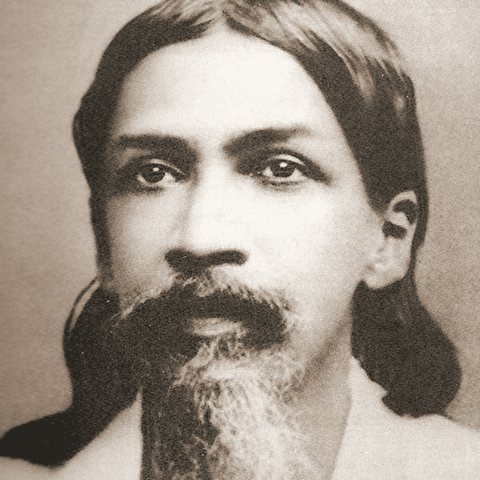

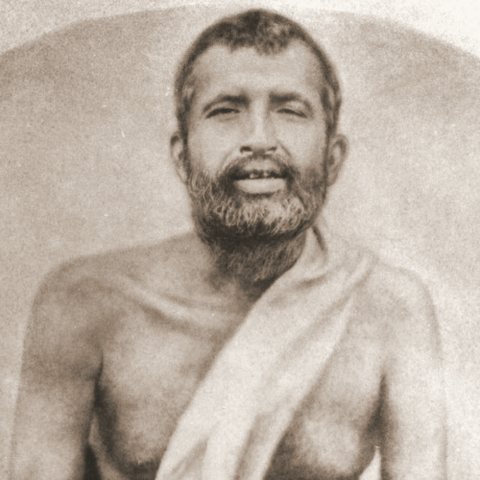
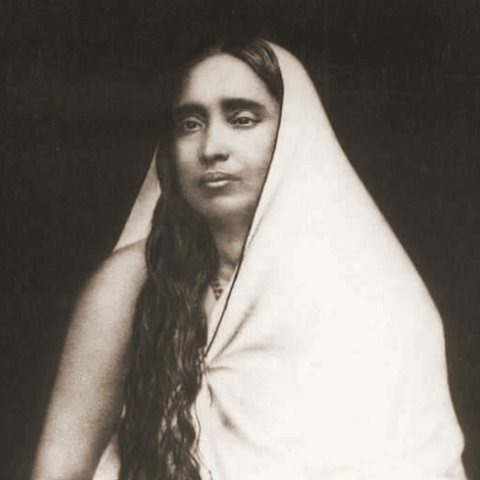
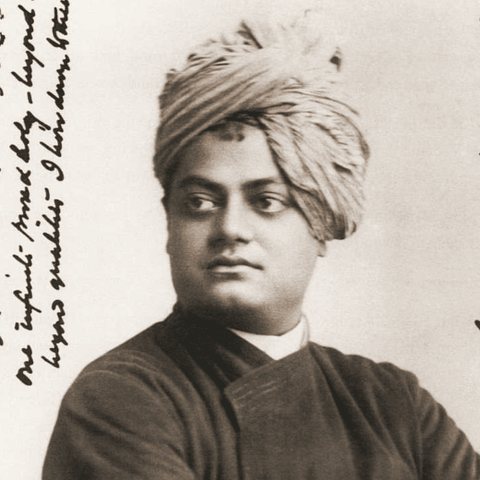
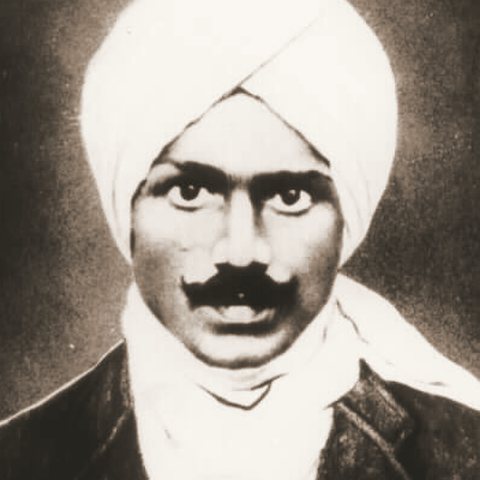
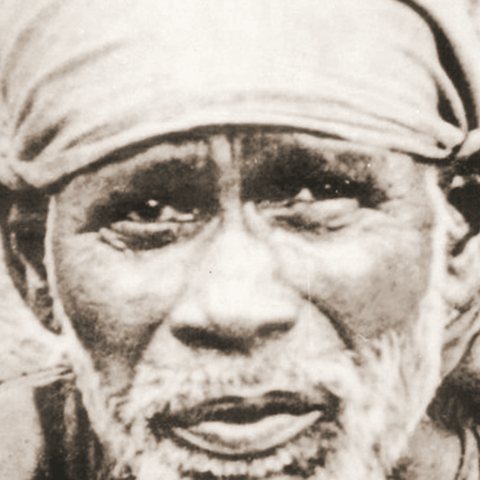
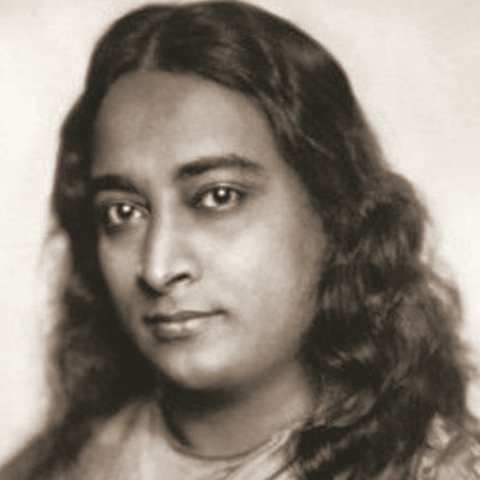
Sri Aurobindo treats outer failure as almost unimportant: “the only tragedies are the soul's failures.” The genuinely dangerous thing, he says, is discouragement, because it withdraws the inner force—so go on steadily, whether the pace is slow or swift. The Mother: difficulties are for the strong, and never think of one, you give it strength. Vivekananda refuses the premise: weakness is the only sin, and the soul is already perfect—practice removes a covering, it does not build a self. Yogananda, practically: “the season of failure is the best time for sowing the seeds of success. Always try once more.” Sarada Devi's teaching on failure is her teaching on everything: I am the mother of the wicked as of the virtuous—moral failure does not disqualify. Valluvar: when trouble comes, laugh; nothing else so drives it back. And the Gita's verse 6.5, the whole of it: raise yourself by yourself; you are your own friend, and your own enemy.
Poets make much of death and external afflictions; but the only tragedies are the soul's failures and the only epic man's triumphant ascent towards godhead.
Difficulties are sent to us exclusively to make the realisation more perfect.
Only when a man says: “Not I! Not I! I am nobody. O Lord, Thou art the Doer and I am Thy servant” is he freed from all sufferings.
I am the mother of the wicked, as I am the mother of the virtuous. Never fear. Whenever you are in distress, just say to yourself “I have a mother.”
Widely recorded in the Order's compilations of her teachings; this rendering is the standard one.
Strength, strength is what the Upanishads speak to me from every page.
நல்லதோர் வீணை செய்தே — அதை
நலங்கெடப் புழுதியில் எறிவதுண்டோ?
சொல்லடி சிவசக்தி — எனைச்
சுடர்மிகும் அறிவுடன் படைத்துவிட்டாய்Having made a fine veena — / would one throw it in the dust to rot? / Tell me, Shiva-Shakti — / you made me with a blazing mind.
Nalladhōr vīṇai seydhē — adhai / nalangeḍap puzhudhiyil eṟivadhuṇḍō? / Sollaḍi Sivasakthi — enaich / suḍarmigum aṟivuḍan paḍaiththuviṭṭāy
It's very difficult to overcome anger. Some of the greatest saints don't overcome anger.
Saburi is manliness in man, it removes all sins and afflictions, gets rid of calamities in various ways, and casts aside all fear, and ultimately gives you success.
The season of failure is the best time for sowing the seeds of success.
कर्मण्येवाधिकारस्ते मा फलेषु कदाचन ।
मा कर्मफलहेतुर्भूर्मा ते सङ्गोऽस्त्वकर्मणि ॥
Your right is to the action alone, never to its fruits. Do not let the fruit of action be your motive; and do not be attached to inaction either.
ஆக்கம் அதர்வினாய்ச் செல்லும் அசைவிலா
ஊக்க முடையா னுழை.
Prosperity asks the way and comes to the one whose effort does not waver.
स तु दीर्घकालनैरन्तर्यसत्कारासेवितो दृढभूमिः ॥
Practice becomes firm ground when it is pursued for a long time, without interruption, and with earnest care.
Attanā hi kataṁ pāpaṁ, attanā saṅkilissati;
attanā akataṁ pāpaṁ, attanāva visujjhati;
suddhī asuddhi paccattaṁ, nāñño aññaṁ visodhaye.
By oneself evil is done; by oneself one is defiled. By oneself evil is left undone; by oneself one is purified. Purity and impurity belong to oneself; no one can purify another.
मुक्ताभिमानी मुक्तो हि बद्धो बद्धाभिमान्यपि ।
किंवदन्तीह सत्येयं या मतिः सा गतिर्भवेत् ॥
One who thinks himself free is free; one who thinks himself bound is bound. The saying is true: as you think, so you become.
Offering the work
- Before beginning any task, offer it—silently, in a sentence or without words.
- Do it as well and as exactly as you can, for its own perfection, without demanding a result for yourself or insisting that it be noticed.
- When it is finished, offer the outcome too, whatever it is. Done this way, he says, the work itself becomes the yoga.
What would you do next if the result did not belong to you?
Other questions