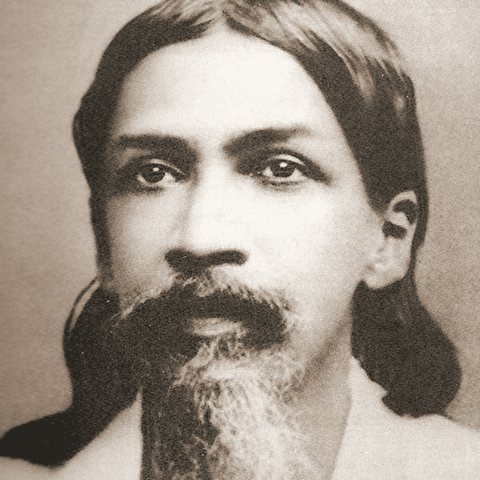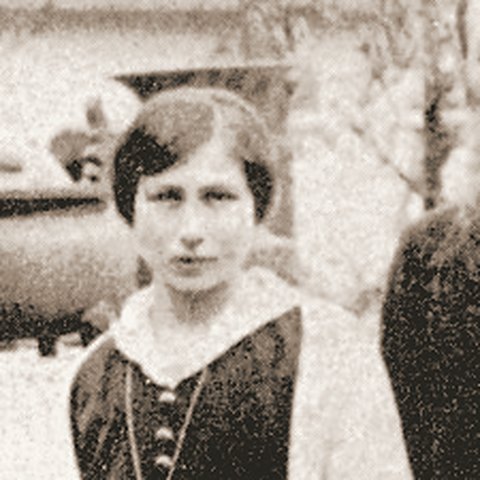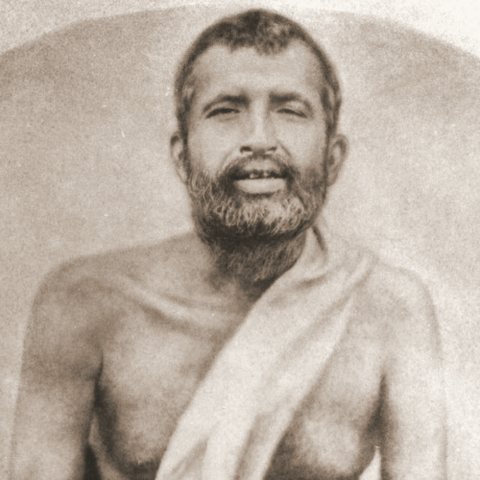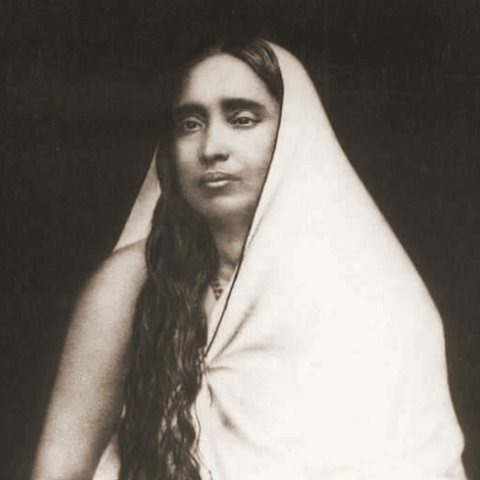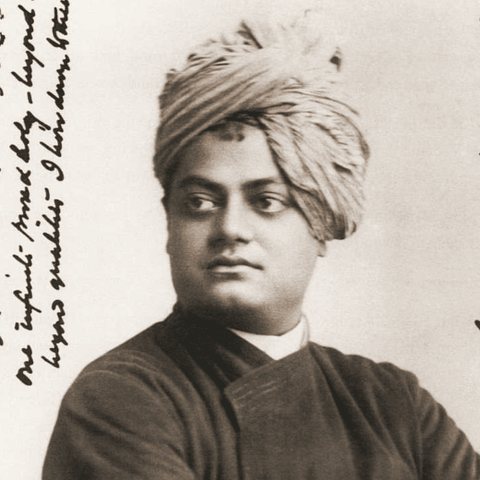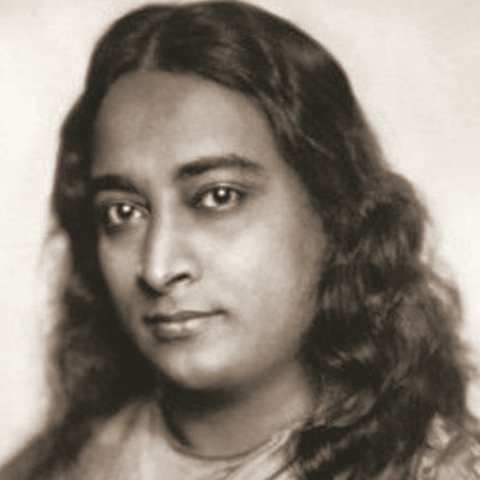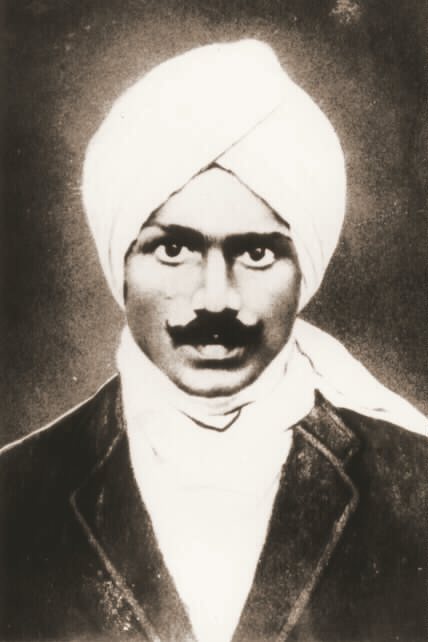
Subramania Bharati, from the Bharathi Memorial House. Public domain, via Wikimedia Commons.
Mahakavi Bharathiyar
Subramania Bharati — the poet who said “there is no fear”
Bharathi is the one poet in this library, and he is here because for him the divine, the free, and the fearless were the same thing. He wrote in a Tamil so simple that children sing it and so charged that it started a literary revolution. He addressed God as Kannan, as Kannamma, as the Mother Parashakti; he wrote a lullaby to the child Krishna and a battle-cry against caste in the same voice; and he distilled his whole religion into three words repeated like a drumbeat: achamillai, achamillai, achamillai—there is no fear.
He spent ten years in exile in French Pondicherry, where his neighbours were Sri Aurobindo and V. V. S. Aiyar, and where much of his greatest work was written. He died in 1921, aged thirty-eight. In 1949 the Government of Madras purchased the rights to his works and gave them to the people—the first such act in India—so everything he wrote belongs to everyone.
“There is no fear, no fear, there is no such thing as fear — / though all the people of this world should rise against me, / there is no fear, no fear, there is no such thing as fear.”
There is no fear
The refrain of his most famous song is a spiritual claim before it is a political one. Fear, for Bharathi, is the one thing that separates a person from God, from freedom and from their own strength; and its absence is not bravado but the natural condition of someone who has seen that the whole world is Shakti's play.
The Mother
He addressed the divine most often as feminine—Parashakti, Kali, the Mother—and saw her in the sunrise, in the crow's wing, in the sound of the veena, in the roar of the sea. His Shakti is not a goddess of a temple but the energy in everything, and to worship her is to become fearless, joyful and free.
God as friend and child
In Kannan Pattu he sang to Krishna as mother, father, servant, king, friend, lover and child in turn. The tradition of approaching God in every human relationship is ancient; Bharathi made it modern and domestic—the God who is a “boy of endless games” and a nuisance to the women of the street.
No caste
“There are no castes, little one; it is a sin to speak of high and low birth.” He put this in a children's song so it would be sung before it was argued. Universal brotherhood was, for him, a direct consequence of the unity of Shakti: “the crow and the sparrow are our caste; the sea and the mountain are our company.”
Strength of mind, sweetness of speech
His short prayer-poem asks for four things: firmness in the mind, sweetness in speech, good thoughts, and that what one reaches for should come to hand. It is a whole ethics in four lines and is still taught in Tamil schools.
அச்சமில்லை அச்சமில்லை அச்சமென்பதில்லையே
இச்சகத்துளோரெலாம் எதிர்த்து நின்ற போதினும்,
அச்சமில்லை அச்சமில்லை அச்சமென்பதில்லையேThere is no fear, no fear, there is no such thing as fear — / though all the people of this world should rise against me, / there is no fear, no fear, there is no such thing as fear.
Achamillai achamillai achamenbathillaiyē / ichchagaththuḷōrelām edirththu ninṟa pōdhinum, / achamillai achamillai achamenbathillaiyē
மனதில் உறுதி வேண்டும்,
வாக்கினிலே இனிமை வேண்டும்;
நினைவு நல்லது வேண்டும்,
நெருங்கின பொருள் கைப்பட வேண்டும்Firmness in the mind I need, / sweetness in speech I need; / good thoughts I need, / and what I reach for should come to hand.
Manadhil uṟudhi vēṇḍum, / vākkinilē inimai vēṇḍum; / ninaivu nalladhu vēṇḍum, / nerungina poruḷ kaippaḍa vēṇḍum
ஓடி விளையாடு பாப்பா, — நீ
ஓய்ந்திருக்கலாகாது பாப்பாRun and play, little one — / you must never sit idle, little one.
Ōḍi viḷaiyāḍu pāppā, — nī / ōyndhirukkalāgādhu pāppā
ஜாதிகள் இல்லையடி பாப்பா; — குலத்
தாழ்ச்சி உயர்ச்சி சொல்லல் பாவம்There are no castes, little one; — / to speak of high and low birth is a sin.
Jādhigaḷ illaiyaḍi pāppā; — kulath / thāzhchchi uyarchchi sollal pāvam
காக்கை குருவி எங்கள் ஜாதி — நீள்
கடலும் மலையும் எங்கள் கூட்டம்The crow and the sparrow are our caste — / the long sea and the mountain are our company.
Kākkai kuruvi engaḷ jādhi — nīḷ / kaḍalum malaiyum engaḷ kūṭṭam
காக்கைச் சிறகினிலே நந்தலாலா — நின்றன்
கரியநிறம் தோன்றுதையே நந்தலாலாIn the crow's wing, Nandalala — / your dark colour appears, Nandalala.
Kākkaich chiṟaginilē Nandhalālā — ninṟan / kariyaniṟam thōnṟudhaiyē Nandhalālā
நிற்பதுவே நடப்பதுவே பறப்பதுவே
நீங்களெல்லாம் சொப்பனந்தானோ?You that stand, you that walk, you that fly — / are you all only a dream?
Niṟpadhuvē naḍappadhuvē paṟappadhuvē / nīngaḷellām soppananthānō?
தனியொருவனுக்கு உணவிலை யெனில்
ஜகத்தினை அழித்திடுவோம்If a single person is without food, / we shall destroy the world.
Thaniyoruvanukku uṇavilai yenil / jagaththinai azhiththiḍuvōm
வெள்ளைத் தாமரைப் பூவில் இருப்பாள்
வீணை செய்யும் ஒலியில் இருப்பாள்She dwells in the white lotus flower; / she dwells in the sound the veena makes.
Veḷḷaith thāmaraip pūvil iruppāḷ / vīṇai seyyum oliyil iruppāḷ
நல்லதோர் வீணை செய்தே — அதை
நலங்கெடப் புழுதியில் எறிவதுண்டோ?
சொல்லடி சிவசக்தி — எனைச்
சுடர்மிகும் அறிவுடன் படைத்துவிட்டாய்Having made a fine veena — / would one throw it in the dust to rot? / Tell me, Shiva-Shakti — / you made me with a blazing mind.
Nalladhōr vīṇai seydhē — adhai / nalangeḍap puzhudhiyil eṟivadhuṇḍō? / Sollaḍi Sivasakthi — enaich / suḍarmigum aṟivuḍan paḍaiththuviṭṭāy
தீராத விளையாட்டுப் பிள்ளை — கண்ணன்
தெருவிலே பெண்களுக் கோயாத தொல்லைA boy of endless games — Kannan, / an unending nuisance to the women of the street.
Thīrādha viḷaiyāṭṭup piḷḷai — Kaṇṇan / theruvilē peṇgaḷuk kōyādha thollai
பாதகஞ் செய்பவரைக் கண்டால் — நாம்
பயங்கொள்ளலாகாது பாப்பாWhen you see those who do wrong — / you must not be afraid, little one.
Pādhagañ seybavaraik kaṇḍāl — nām / bayangoḷḷalāgādhu pāppā
Sing “Achamillai”
- Learn the first three lines by heart—many recordings exist, and every Tamil schoolchild can teach you.
- Sing or say them, aloud, when fear rises: before a difficult conversation, in a hospital corridor, at three in the morning.
- Bharathi made it a refrain so that it would work as a mantra. Use it as one.
Four things to ask for
- Each morning, say the four-line prayer: firmness in the mind, sweetness in speech, good thoughts, and that what you reach for should come to hand.
- Pick one of the four for the day. Watch for it.
- In the evening, ask which of the four you most lacked. That is tomorrow's.
Born Subbaiah on 11 December 1882 in Ettayapuram, in the far south of the Tamil country, he showed such precocity in verse that the local court conferred the title Bharathi—“blessed by Saraswati”—on him at eleven. His mother died when he was five and his father when he was sixteen; he studied briefly in Tirunelveli and Varanasi, where he learned Sanskrit and Hindi and encountered the nationalist movement, and returned to the south transformed.
From 1904 he worked as a journalist in Madras, editing the Tamil paper India and writing with a directness that drew the attention of the British authorities. In 1908 he fled to French Pondicherry to avoid arrest and remained there ten years, in poverty, writing his major long works—Kuyil Pattu, Panchali Sapatham, Kannan Pattu—and the songs to Shakti and to freedom for which he is remembered. Sri Aurobindo and V. V. S. Aiyar were his companions in exile.
He returned to British India in 1918, was briefly imprisoned, and settled in Madras. In 1921 he was struck by a temple elephant he used to feed at Triplicane, and died a few weeks later, on 11 September 1921, aged thirty-eight, largely unrecognised. In 1949 the Government of Madras acquired the copyright in his works and released them to the public.
Bharathiyar's works were nationalised by the Government of Madras in 1949 and are in the public domain. The Tamil texts here follow the standard editions; the full corpus is available free from Project Madurai and the Tamil Virtual Academy. English renderings on this page are our own, made to be plain rather than poetic, and we welcome corrections.