How do I love better?
I want to love the people in my life well, and I keep getting it wrong.
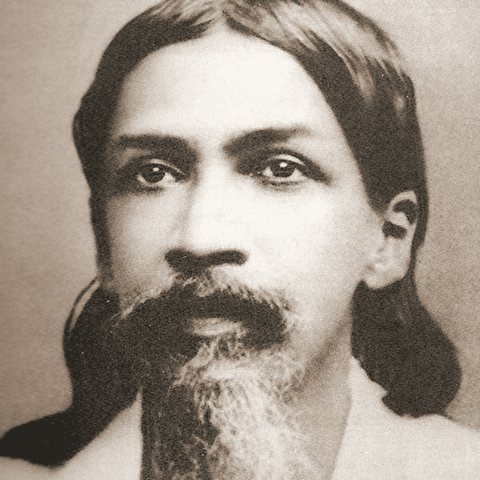

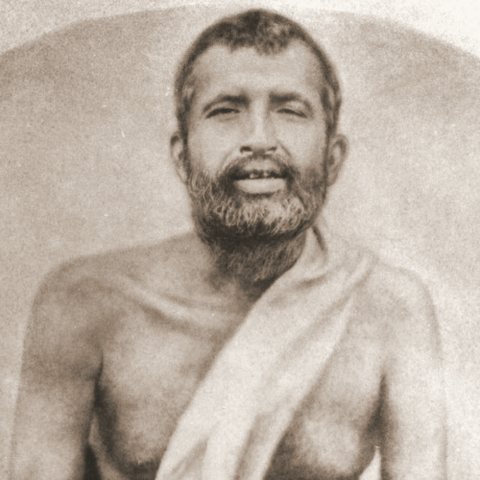
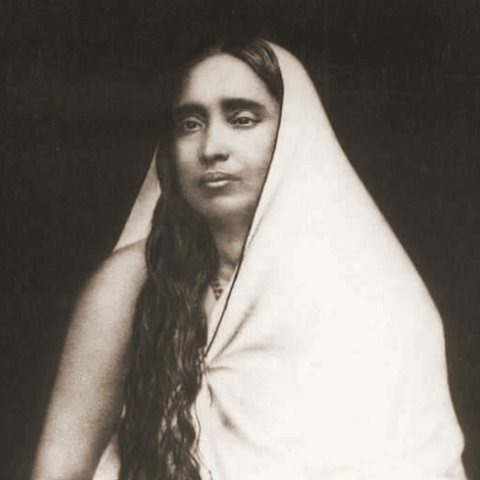
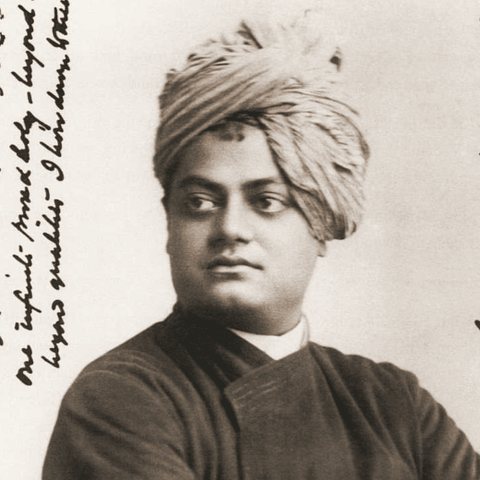
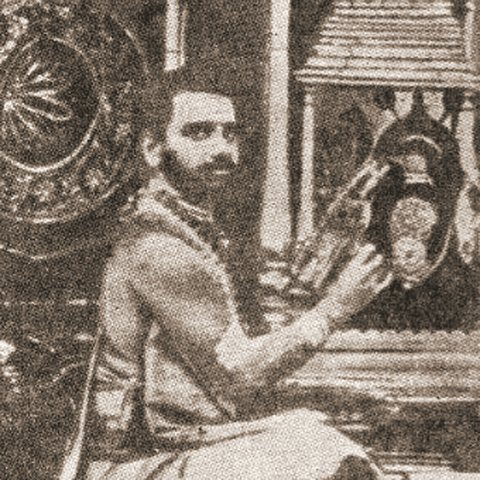
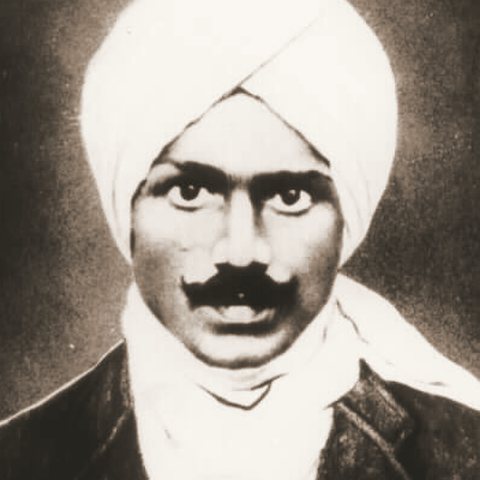
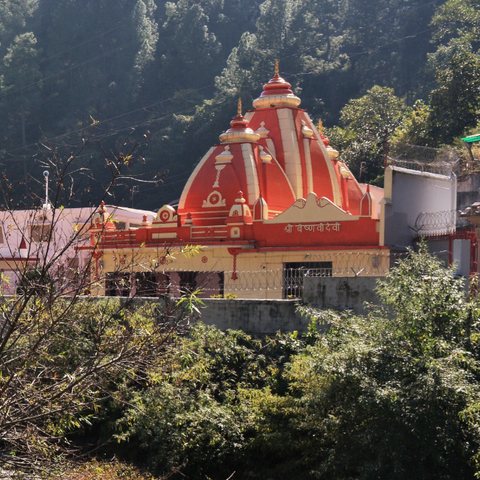
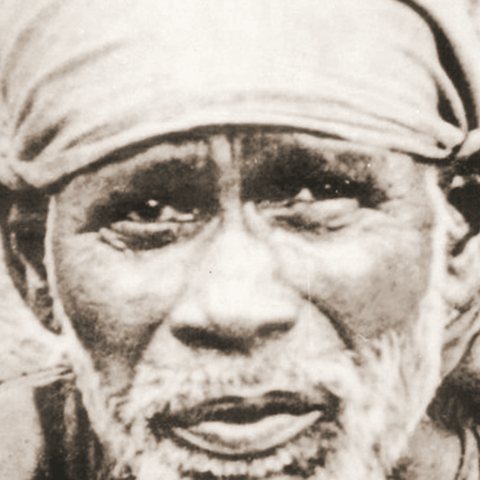
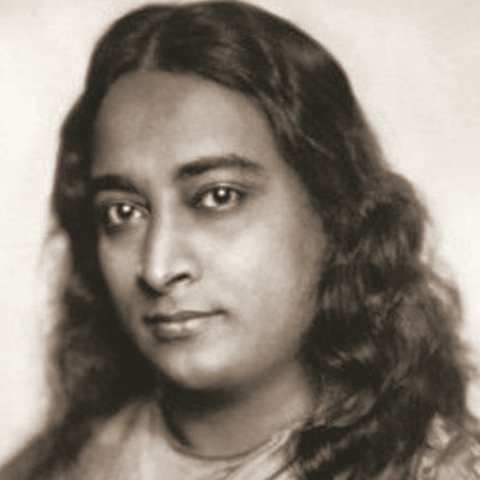
Sri Aurobindo puts love and courage together as the only two indispensable virtues—“even if all the others are eclipsed, these two will save the soul alive.” Sarada Devi's whole life was the demonstration: mother of the wicked as of the virtuous, no one a stranger. Vivekananda: it is love and love alone that he preaches, and bhakti is love that “hates none.” Ramakrishna prayed for nothing else. Valluvar's chapter on love opens by saying it cannot be locked in—the small tears betray it—and his chapter on speech says harsh words when kind ones are at hand is picking the unripe fruit while the ripe hangs there. Patanjali gives the four attitudes: friendliness to the happy, compassion to the suffering, gladness to the good, equanimity to the rest. Neem Karoli Baba gives the one rule: do what you must with a person, but never put them out of your heart. And Bharathi finds the Beloved in the crow's wing.
Courage and love are the only indispensable virtues; even if all the others are eclipsed or fall asleep, these two will save the soul alive.
I aspire for the day when I can no longer say “I”, for I shall be Thou.
One attains God when one feels yearning for Him. An intense restlessness is needed.
If you want peace of mind, do not find fault with others. Rather see your own faults. Learn to make the whole world your own. No one is a stranger, my child; the whole world is your own.
I am proud to belong to a religion which has taught the world both tolerance and universal acceptance.
The purpose of every rule of dharma, however elaborate, is finally to make a person compassionate. If a rite leaves you harder than it found you, you have performed it wrongly.
ஜாதிகள் இல்லையடி பாப்பா; — குலத்
தாழ்ச்சி உயர்ச்சி சொல்லல் பாவம்There are no castes, little one; — / to speak of high and low birth is a sin.
Jādhigaḷ illaiyaḍi pāppā; — kulath / thāzhchchi uyarchchi sollal pāvam
Love everyone and tell the truth.
If a man utters My name with love, I shall fulfill all his wishes, increase his devotion.
Happiness lies in making others happy, in forsaking self-interest to bring joy to others.
अद्वेष्टा सर्वभूतानां मैत्रः करुण एव च ।
निर्ममो निरहङ्कारः समदुःखसुखः क्षमी ॥
सन्तुष्टः सततं योगी यतात्मा दृढनिश्चयः ।
मय्यर्पितमनोबुद्धिर्यो मद्भक्तः स मे प्रियः ॥
One who hates no being, who is friendly and compassionate, free of “mine” and free of “I”, the same in pain and pleasure, forgiving; always content, self-controlled, firm in resolve, with mind and understanding given to me—that devotee is dear to me.
यस्तु सर्वाणि भूतान्यात्मन्येवानुपश्यति ।
सर्वभूतेषु चात्मानं ततो न विजुगुप्सते ॥
One who sees all beings in the Self, and the Self in all beings, does not shrink from anything.
குழல்இனிது யாழ்இனிது என்பதம் மக்கள்
மழலைச்சொல் கேளா தவர்.
“The flute is sweet, the lute is sweet,” say those who have not heard their own children's babble.
நமச்சிவாய வாஅழ்க நாதன்தாள் வாழ்க
இமைப்பொழுதும் என்நெஞ்சில் நீங்காதான் தாள்வாழ்க
Hail Namashivaya! Hail the feet of the Lord! Hail the feet of him who does not leave my heart for the space of a blink!
A day without fault-finding
- For one day, notice each time the mind begins to criticise someone—a colleague, a family member, a stranger, a politician.
- Do not suppress the thought; simply see it, and turn the same eye inward for a moment: is there something here that is mine?
- At the end of the day, note how much quieter the mind was. She taught that this, and not any technique, is the beginning of peace.
Who have you put out of your heart?
Other questions