I am thinking about death
My own, or in general. I want to look at it, not away from it.
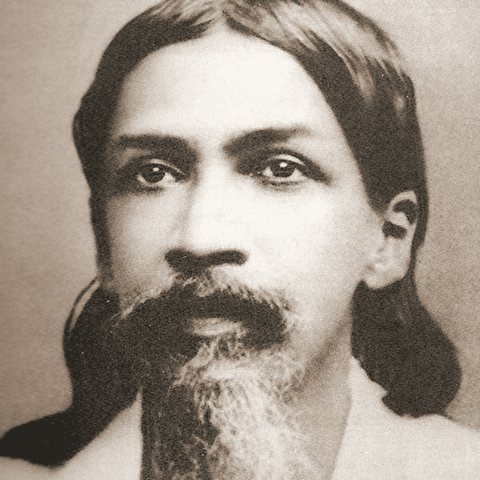

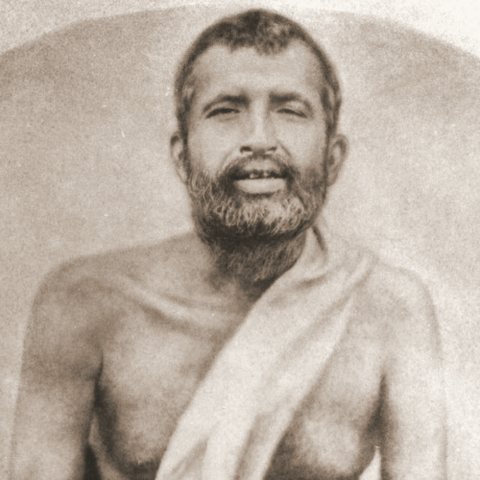
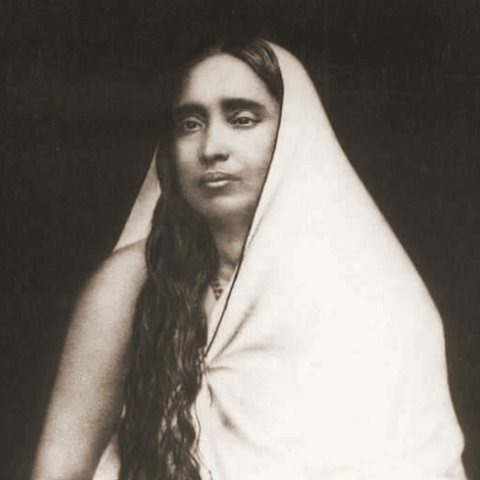
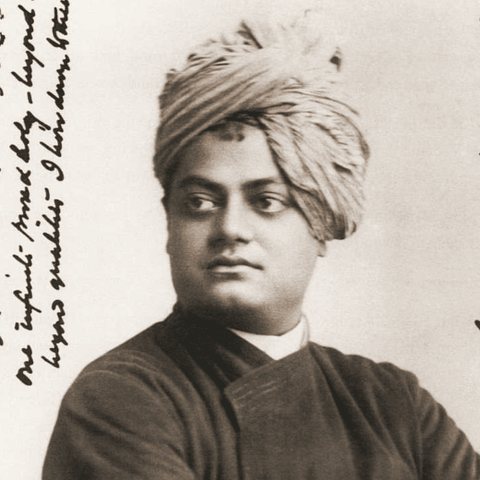
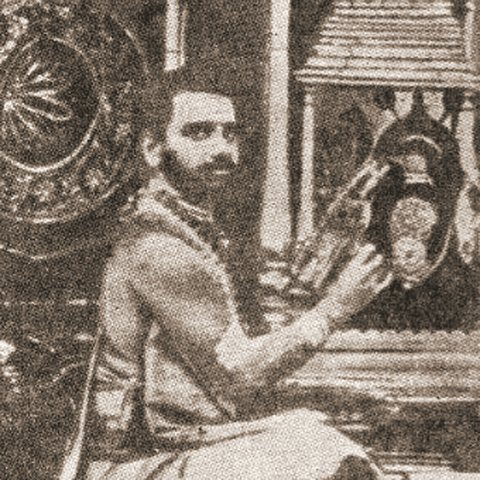
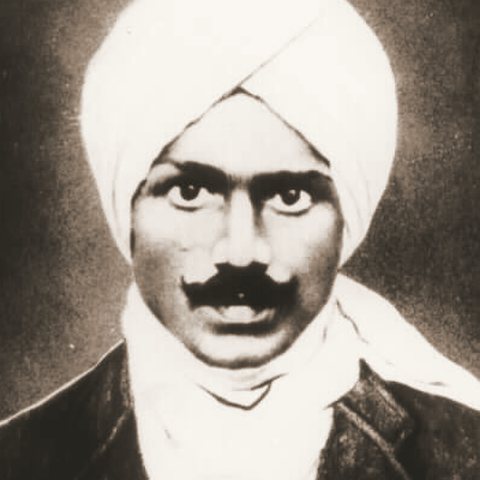
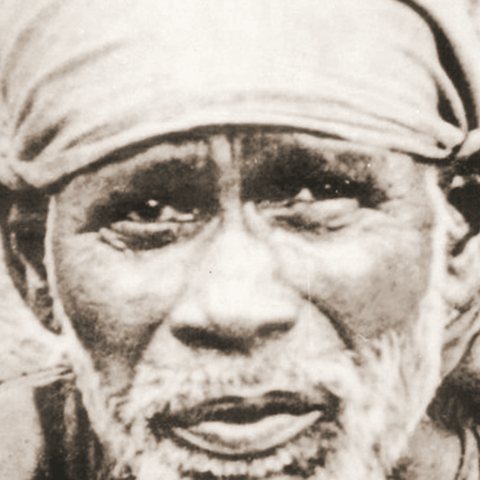
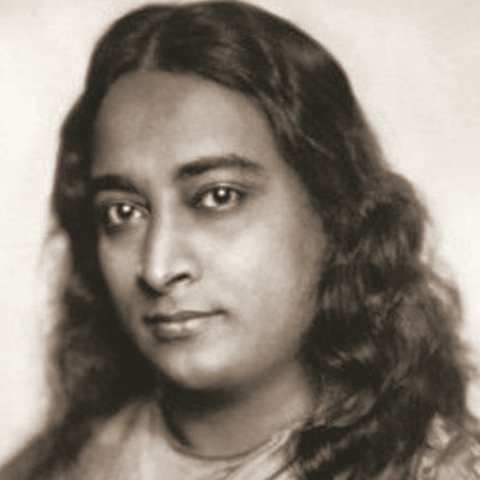
This is the question on which the traditions most openly disagree, and we have kept the disagreement. The Gita: the Self is never born and never dies; the body is a worn-out garment. The Dhammapada: all things are without self. The Mother: life is immortal, only the body dissolves; the living help the dead by staying calm. Yogananda: when death comes, laugh at it; you cannot die. Marcus Aurelius, from a tent with the plague outside: you will not live ten thousand years; while it is in your power, be good. The Yaksha's question to Yudhishthira—what is the greatest wonder?—has the answer that creatures die daily and the rest wish to live forever. Valluvar, in seven words: death is like sleep; birth is like waking. Appar, persecuted by a king: we do not fear Death. Rumi: when was I less by dying? Read them all, and notice which one you flinch from. That is the one to sit with.
Poets make much of death and external afflictions; but the only tragedies are the soul's failures and the only epic man's triumphant ascent towards godhead.
Life is immortal. It is only the body that dissolves.
The body has, indeed, only a momentary existence. God alone is real.
Such is life, here today, gone tomorrow! Nothing goes with one, except one's merit and demerit.
What fear has death for him? What fear has evil for him?
Grief is the natural sign of love; do not be ashamed of it. But perform the rites for the departed with care and then let them go, for holding on serves neither them nor you.
நிற்பதுவே நடப்பதுவே பறப்பதுவே
நீங்களெல்லாம் சொப்பனந்தானோ?You that stand, you that walk, you that fly — / are you all only a dream?
Niṟpadhuvē naḍappadhuvē paṟappadhuvē / nīngaḷellām soppananthānō?
Though I be no more in flesh and blood, I shall ever protect My devotees.
The Eleven Assurances are a devotional distillation of Baba's sayings composed in Marathi by Mohaniraj Pandit and published by the Sansthan—not a list Baba himself dictated.
Though the ordinary man looks upon death with dread and sadness, those who have gone before know it as a wondrous experience of peace and freedom.
न जायते म्रियते वा कदाचिन्
नायं भूत्वा भविता वा न भूयः ।
अजो नित्यः शाश्वतोऽयं पुराणो
न हन्यते हन्यमाने शरीरे ॥
It is never born and never dies; having been, it will never cease to be. Unborn, eternal, everlasting, ancient—it is not killed when the body is killed.
असतो मा सद्गमय ।
तमसो मा ज्योतिर्गमय ।
मृत्योर्मामृतं गमय ॥
From the unreal lead me to the real. From darkness lead me to light. From death lead me to immortality.
நெருநல் உளனொருவன் இன்றில்லை என்னும்
பெருமை உடைத்திவ் வுலகு.
“Yesterday he was; today he is not”—such is the greatness of this world.
நாமார்க்கும் குடியல்லோம் நமனை அஞ்சோம்
நரகத்தில் இடர்ப்படோம் நடலை இல்லோம்
ஏமாப்போம் பிணியறியோம் பணிவோம் அல்லோம்
இன்பமே எந்நாளும் துன்பம் இல்லை
We are subjects of no one. We do not fear Death. We shall not suffer in hell; we have no deceit. We rejoice; we know no disease; we bow to none. Joy, always—there is no sorrow.
Sabbe saṅkhārā aniccā …
Sabbe saṅkhārā dukkhā …
Sabbe dhammā anattā …
All conditioned things are impermanent. All conditioned things are unsatisfactory. All things are without self.
Going to sleep
- Lie down and relax the body deliberately—every limb, the face, the hands—until it is fully at ease.
- Quiet the thoughts. She says this should always be the first thing, before anything else.
- Then, with whatever sincerity you have, offer yourself in that relaxation—let go of the day into something larger than yourself.
- On waking, stay still a moment before moving. The night's dreams are often retrievable then, and she held that one can learn much from them.
Which of these do you flinch from?
Other questions