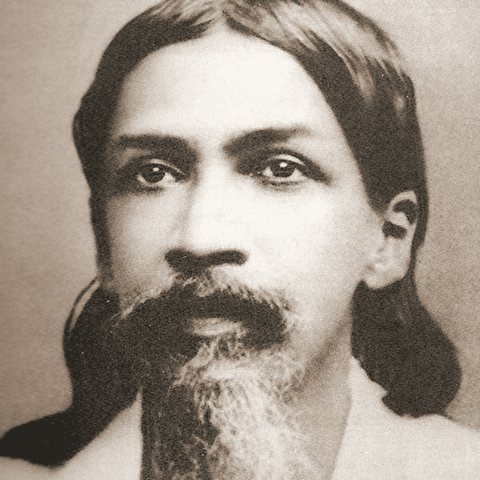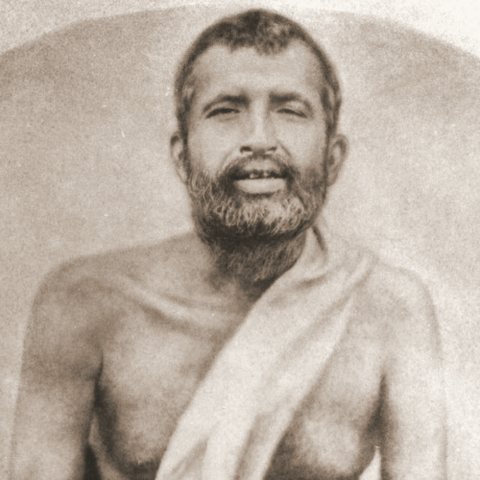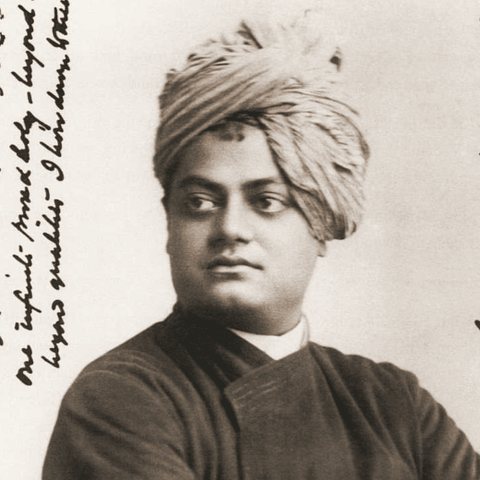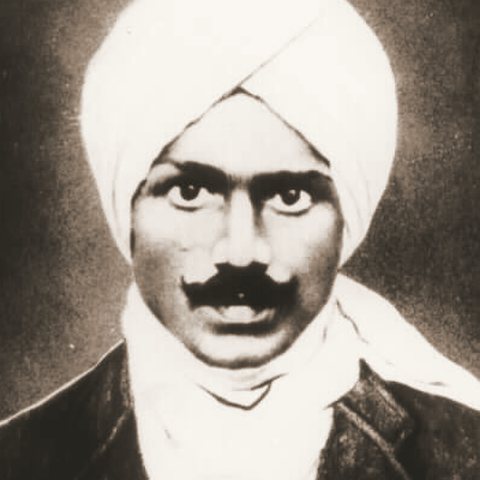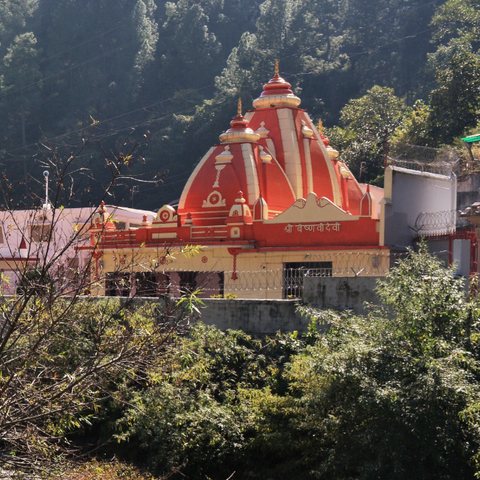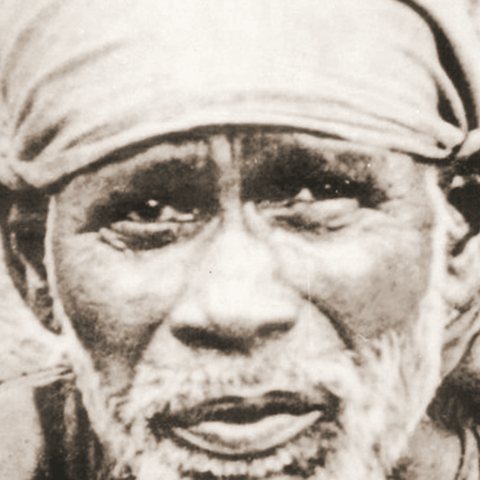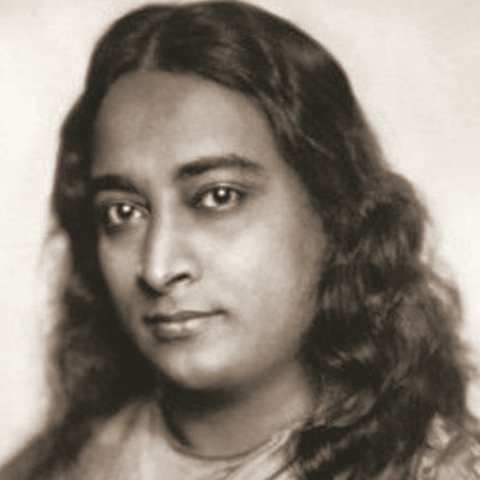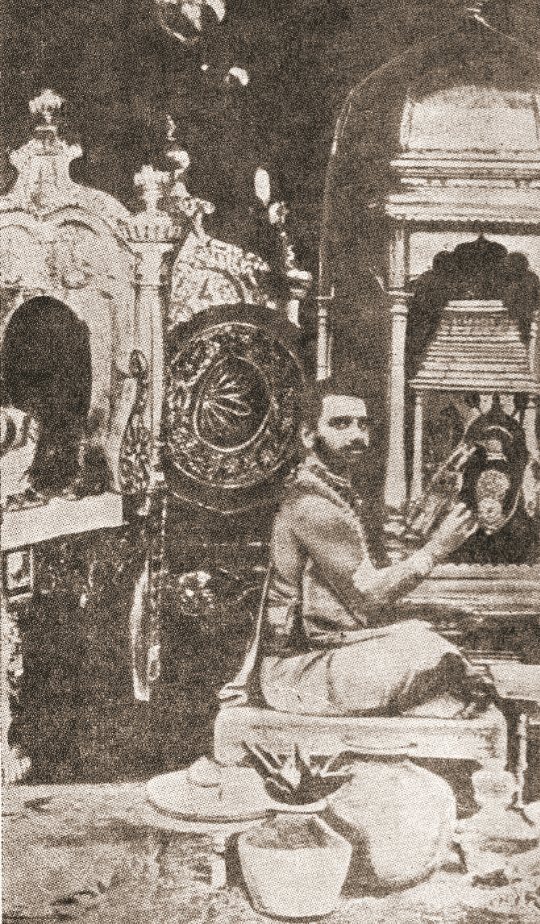
The young Shankaracharya in 1933, from Paul Brunton's A Search in Secret India (1934). Public domain, via Wikimedia Commons.
Kanchi Maha Periyava
Sri Chandrasekharendra Saraswati — the walking sage of Kanchipuram
Installed as the sixty-eighth Shankaracharya of the Kanchi Kamakoti Peetham at thirteen, he held the seat for eighty-seven years, walked—never rode—across India on pilgrimage, ate one meal a day, and became, for millions in Tamil Nadu and beyond, simply Periyava, “the great one,” or Maha Periyava. He did not write books. He talked, for hours, in Tamil, to whoever came—labourers, scholars, presidents—and those talks, collected as Deivathin Kural (“The Voice of God”), are the most complete modern statement of Vedic dharma in any language.
His teaching is traditional, and he made no apology for it: the Vedas are to be preserved by sound; rituals matter; each person has a duty proper to them; and the whole of it exists to produce compassion, simplicity and the remembrance of God. Some of his positions on the ordering of society are contested today, and we say so below rather than sanding them off.
“The purpose of every rule of dharma, however elaborate, is finally to make a person compassionate. If a rite leaves you harder than it found you, you have performed it wrongly.”
Dharma is what holds
The word dharma comes from a root meaning to hold or support. In Periyava's teaching it is not a set of rules but the order that keeps a person, a family, a society and the world from falling apart—and each person's part in maintaining it. Follow your own dharma, he said, and the whole is upheld; abandon it for another's, however attractive, and both suffer.
The Vedas are sound
The Vedas are not primarily books to be understood but sounds to be preserved—śabda, whose exact intonation carries a power that the meaning alone does not. This is why he devoted so much of his life to keeping the oral tradition alive, founding a trust to support Vedic families, and why he held that the recitation itself, correctly done, is a blessing on the whole world regardless of who hears it.
Why rituals matter
To the modern objection that ritual is empty form, he answered that form is how the mind is disciplined. A person who cannot sit still for a fifteen-minute rite will not sit still for meditation. Ritual trains attention, marks time, binds a family, and—done with feeling—becomes devotion. Abandon it, he warned, and one does not rise to a purer religion; one drifts.
Simplicity
He ate once a day, owned nothing, slept on the floor, and walked. He asked people to reduce their wants rather than increase their means: to eat a little less, own a little less, want a little less, and give the difference away. Contentment, he taught, is not the reward of spiritual life but its precondition.
Compassion and the gift of food
Asked which charity was highest, he answered consistently: feeding people. Anna-dāna, the gift of food, cannot be misused, is needed by all, and is complete the moment it is given. He extended the circle of compassion to animals—the cow especially—and to the earth itself, and he tied the whole elaborate structure of dharma back to this: it exists to make people kind.
The name of God in this age
For most people, in this age, he taught that the accessible path is the repetition of the divine name—nāma-japa—and devotion, bhakti. The elaborate Vedic rites belong to those trained for them; the name belongs to everyone. He asked people to chant, to sing, to go to the temple, and to bring their children.
On varna — stated plainly
Periyava defended the traditional ordering of society by hereditary occupation as a division of labour that, in his view, had preserved knowledge and kept society stable, while insisting that spiritual attainment was open to all and that no one was to be treated with contempt. Many readers, including many who revere him, find this position indefensible today, and it has been the subject of sustained criticism. We present it here because it is what he taught, and because a library that hides what it finds uncomfortable is not to be trusted about the rest.
The purpose of every rule of dharma, however elaborate, is finally to make a person compassionate. If a rite leaves you harder than it found you, you have performed it wrongly.
Reduce your wants. Eat a little less than you would like; own a little less than you could; and give the difference to someone who has less. Contentment is not the fruit of spiritual life but its root.
Of all gifts, the gift of food is the highest: it cannot be misused, everyone needs it, and it is complete the moment it is given.
The Vedas are to be preserved as sound. Their power is in the exact intonation, chanted correctly, and that chanting is a blessing on the whole world whether or not anyone understands the words.
A person who cannot keep still for a short daily rite will not keep still for meditation. Ritual is how the mind is trained before it can be freed.
Do the duty that is yours, in the place where you are, without envying the duty that is another's. That is how the whole is held together.
In this age the path open to everyone is the name of God. Chant it. Sing it. Bring your children to the temple and let them hear it. The elaborate rites belong to a few; the name belongs to all.
Grief is the natural sign of love; do not be ashamed of it. But perform the rites for the departed with care and then let them go, for holding on serves neither them nor you.
One meal, given
- Once a week, eat one meal less, or one meal simpler, than you normally would.
- Give the cost of it—the actual food, if you can—to someone who needs it. A temple kitchen, a neighbour, a stranger.
- This was, in his life, not symbolic but literal. He ate once a day for eighty years.
A short daily rite
- Choose the smallest rite your own tradition offers—lighting a lamp, a few minutes of nāma-japa, a verse recited before food.
- Do it at the same time each day, without fail, whether or not you feel devotional. He held that the regularity is the training, and the feeling follows.
- If you have children, let them see it. He said the sound of the name heard in childhood does its work for a lifetime.
Born Swaminathan on 20 May 1894 in Villupuram, in the Tamil country, to a Brahmin family of modest means, he was chosen in 1907, at thirteen, to succeed to the Kanchi Kamakoti Peetham after the sudden deaths of the sixty-sixth and sixty-seventh pontiffs. He was installed as Sri Chandrasekharendra Saraswati and spent the following years in intensive study of Sanskrit, the Vedas, the Shastras and the Advaita tradition under teachers appointed by the Math.
From the 1920s he undertook long pilgrimages on foot across India—to Varanasi, to Kashmir, to the Himalayan shrines—refusing vehicles and staying in villages for weeks at a time, teaching wherever he stopped. He founded the Veda Rakshana Nidhi Trust in 1942 to support families who kept the oral Vedic tradition alive, and he was consulted by Gandhi, by prime ministers and presidents, and by the humblest villagers on exactly the same terms.
His discourses in Tamil, taken down over decades by the devotee Ra. Ganapathi, were published as Deivathin Kural in seven volumes; the Math's English rendering is Hindu Dharma: The Universal Way of Life. In 1954 he named a successor and increasingly withdrew into silence and austerity. He attained mukti at Kanchipuram on 8 January 1994, in his hundredth year.
Periyava's discourses were spoken in Tamil and published as Deivathin Kural (Vanathi Pathippagam), which is in copyright; the Kanchi Math's English rendering, Hindu Dharma, is published on kamakoti.org. We could not verify verbatim excerpts against the source during research, so the teachings on this page are given in our own words, clearly labelled, summarised from those works. We link to the Math's own site for the full text and will replace paraphrases with verified quotations as we are able. This site is not affiliated with the Kanchi Kamakoti Peetham.