My mind will not be still
I sit down to be quiet and the mind runs like a wild thing. I cannot concentrate.
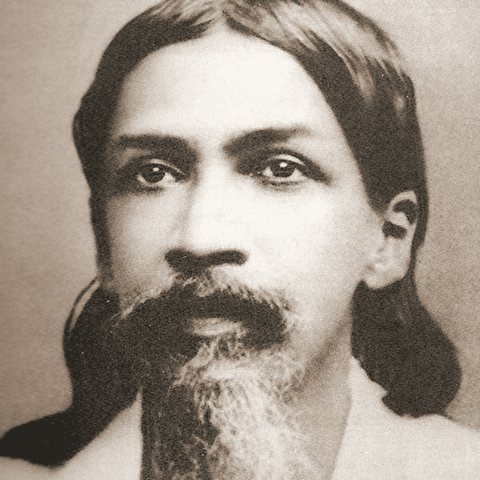

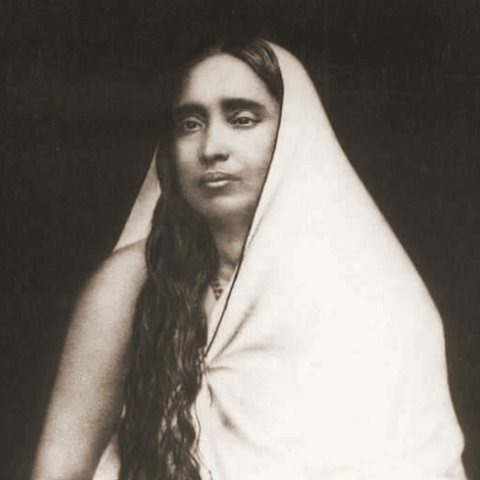
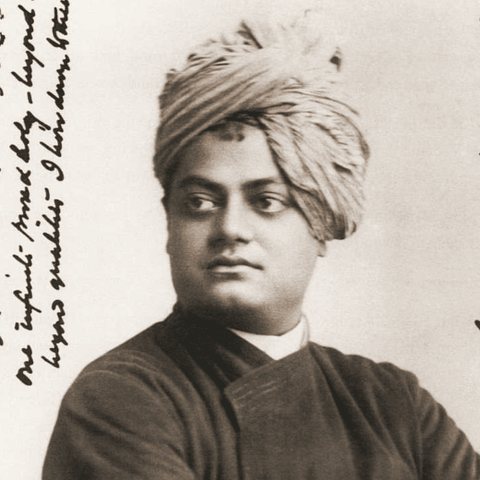
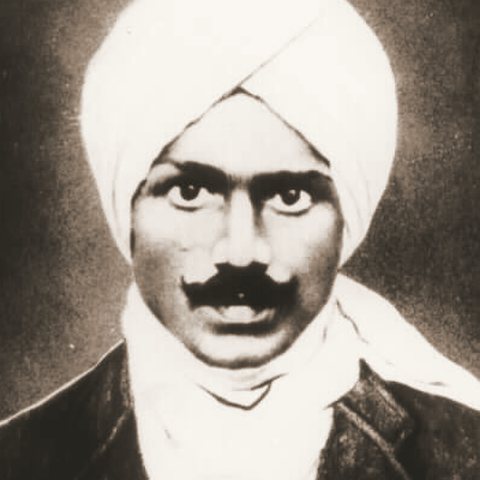
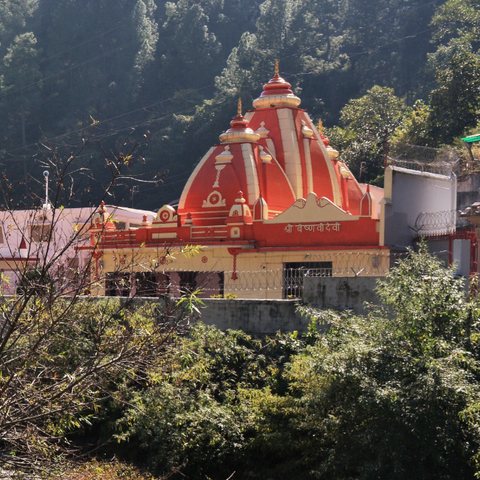
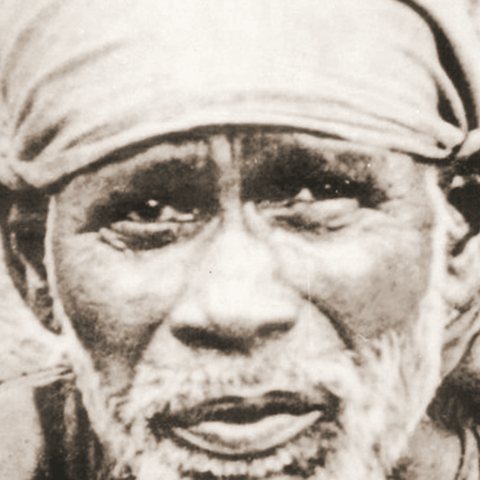
Arjuna made this complaint first: the mind is restless, turbulent, strong—as hard to hold as the wind. Krishna's reply is two words, and every later method is a footnote to them: practice, and non-attachment. Patanjali adds three conditions—long, uninterrupted, earnest. Sarada Devi is the most realistic: the mind is a wild elephant; do not sit and brood, work, and do your japa regardless. Neem Karoli Baba: the mind can't concentrate, so use any mantra—use it, use it. Vivekananda gives an exact protocol, on his page. Sri Aurobindo suggests where to put the attention—head or heart—and warns that effort is normal at first. The Mother, on sleep: begin by quieting the thoughts, always. And the Katha's chariot: the senses are horses, the mind is the reins; the problem is not that the horses run but that nobody is holding the reins.
When they come, you must stand back from them in your mind, look at them and say, “I don't want this.”
Work done in the true spirit is meditation.
My child, this mind is just like a wild elephant. It races with the wind.
Whatever you think, that you will be. If you think yourselves weak, weak you will be.
A person who cannot keep still for a short daily rite will not keep still for meditation. Ritual is how the mind is trained before it can be freed.
மனதில் உறுதி வேண்டும்,
வாக்கினிலே இனிமை வேண்டும்;
நினைவு நல்லது வேண்டும்,
நெருங்கின பொருள் கைப்பட வேண்டும்Firmness in the mind I need, / sweetness in speech I need; / good thoughts I need, / and what I reach for should come to hand.
Manadhil uṟudhi vēṇḍum, / vākkinilē inimai vēṇḍum; / ninaivu nalladhu vēṇḍum, / nerungina poruḷ kaippaḍa vēṇḍum
You always bother about this and that! Why are you bothering?
Make Me the sole object of your thoughts and actions; and you will, no doubt, attain Paramartha (the spiritual goal of life).
ध्यायतो विषयान्पुंसः सङ्गस्तेषूपजायते ।
सङ्गात्सञ्जायते कामः कामात्क्रोधोऽभिजायते ॥
क्रोधाद्भवति सम्मोहः सम्मोहात्स्मृतिविभ्रमः ।
स्मृतिभ्रंशाद् बुद्धिनाशो बुद्धिनाशात्प्रणश्यति ॥
Dwelling on the objects of the senses, a person grows attached to them. From attachment comes desire; from desire, anger. From anger, confusion; from confusion, loss of memory; from loss of memory, the ruin of discernment; and when discernment is ruined, the person is lost.
आत्मानं रथिनं विद्धि शरीरं रथमेव तु ।
बुद्धिं तु सारथिं विद्धि मनः प्रग्रहमेव च ॥
इन्द्रियाणि हयानाहुर्विषयांस्तेषु गोचरान् ।
Know the Self as the rider in a chariot, and the body as the chariot. Know the intellect as the charioteer, and the mind as the reins. The senses, they say, are the horses, and the objects of sense the roads they run.
ஐந்தவித்தான் ஆற்றல் அகல்விசும்பு ளார்கோமான்
இந்திரனே சாலுங் கரி.
Of the power of one who has stilled the five senses, Indra, king of the wide heaven, is himself the witness.
योगश्चित्तवृत्तिनिरोधः ॥
Yoga is the stilling of the turnings of the mind.
Manopubbaṅgamā dhammā, manoseṭṭhā manomayā;
manasā ce paduṭṭhena, bhāsati vā karoti vā,
tato naṁ dukkham anveti, cakkaṁ va vahato padaṁ.
All that we are is the result of what we have thought: it is founded on our thoughts, it is made up of our thoughts. If a man speaks or acts with an evil thought, pain follows him, as the wheel follows the foot of the ox that draws the carriage.
Take therefore no thought for the morrow: for the morrow shall take thought for the things of itself. Sufficient unto the day is the evil thereof.
Japa, steadily
- Take a name of God—your own, your family's, or one given to you. Take a mala if you have one; the fingers if you don't.
- Repeat it, silently or in a whisper, for a fixed count or a fixed few minutes, morning and evening. Do not wait to feel like it.
- When the mind runs—and she said it will, like a wild elephant—do not fight it. Bring the name back. That return is the practice.
- She promised nothing quick: “everything will happen in time.” The habit is what carries you, not the mood.
What one small practice could you do every day for a month, without exception?
Other questions