I am afraid
Anxiety runs under everything. I cannot stop bracing for what might happen.
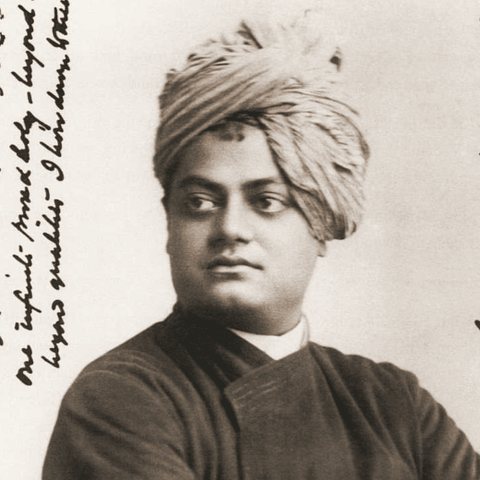
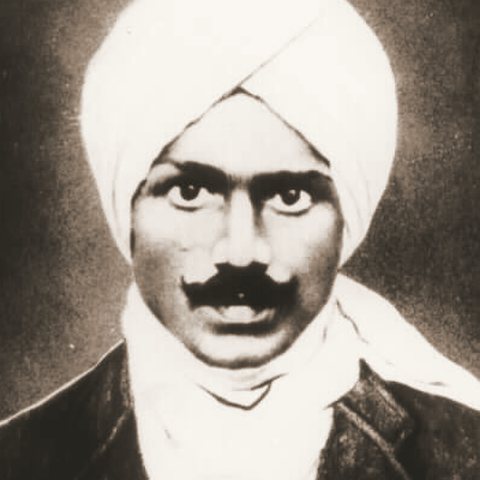
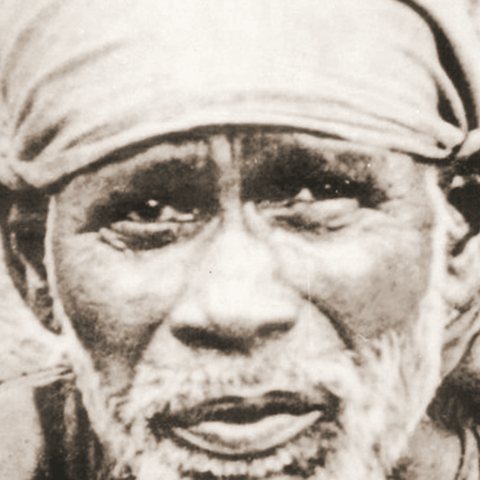
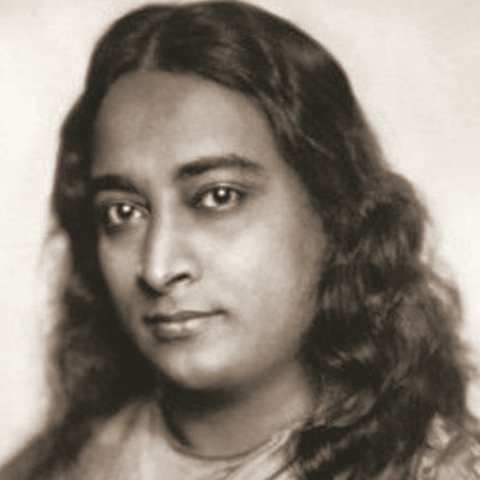
The masters here are unusually united on fear: it is not a moral failure, it is a habit of the body, and it attracts what it fears. Sri Aurobindo calls it “a creation of the vital plane” that distorts intelligence; the Mother claims it underlies most illness. Their remedy is not willpower but a shift of support—standing on something larger than oneself. Vivekananda's word is abhīḥ, fearlessness, and he treats its absence as the only sin. Bharathi made a song of it and asked children to sing it. Sarada Devi says, “Don't be afraid. Always remember that somebody is protecting you.” Valluvar alone dissents: some fear, he says, is intelligence—the wise fear what should be feared. Read him too. The practice offered below is the simplest of all: Yogananda's slow breath, two minutes, no technique.
Courage and love are the only indispensable virtues; even if all the others are eclipsed or fall asleep, these two will save the soul alive.
Never forget that you are not alone. The Divine is with you helping and guiding you. He is the companion who never fails, the friend whose love comforts and strengthens.
Be like a kitten and cry to Him with a fervent heart. The mother cat puts the kitten wherever she wants to.
I am the mother of the wicked, as I am the mother of the virtuous. Never fear. Whenever you are in distress, just say to yourself “I have a mother.”
Widely recorded in the Order's compilations of her teachings; this rendering is the standard one.
Strength, strength is what the Upanishads speak to me from every page.
அச்சமில்லை அச்சமில்லை அச்சமென்பதில்லையே
இச்சகத்துளோரெலாம் எதிர்த்து நின்ற போதினும்,
அச்சமில்லை அச்சமில்லை அச்சமென்பதில்லையேThere is no fear, no fear, there is no such thing as fear — / though all the people of this world should rise against me, / there is no fear, no fear, there is no such thing as fear.
Achamillai achamillai achamenbathillaiyē / ichchagaththuḷōrelām edirththu ninṟa pōdhinum, / achamillai achamillai achamenbathillaiyē
You always bother about this and that! Why are you bothering?
Saburi is manliness in man, it removes all sins and afflictions, gets rid of calamities in various ways, and casts aside all fear, and ultimately gives you success.
Look fear in the face and it will cease to trouble you.
न जायते म्रियते वा कदाचिन्
नायं भूत्वा भविता वा न भूयः ।
अजो नित्यः शाश्वतोऽयं पुराणो
न हन्यते हन्यमाने शरीरे ॥
It is never born and never dies; having been, it will never cease to be. Unborn, eternal, everlasting, ancient—it is not killed when the body is killed.
उत्तिष्ठत जाग्रत प्राप्य वरान्निबोधत ।
क्षुरस्य धारा निशिता दुरत्यया
दुर्गं पथस्तत्कवयो वदन्ति ॥
Arise! Awake! Having found the great ones, learn. The path is sharp as a razor's edge, hard to cross—so the poets say.
அஞ்சுவது அஞ்சாமை பேதைமை அஞ்சுவது
அஞ்சல் அறிவார் தொழில்.
Not to fear what should be feared is folly; to fear what should be feared is the work of the wise.
நாமார்க்கும் குடியல்லோம் நமனை அஞ்சோம்
நரகத்தில் இடர்ப்படோம் நடலை இல்லோம்
ஏமாப்போம் பிணியறியோம் பணிவோம் அல்லோம்
இன்பமே எந்நாளும் துன்பம் இல்லை
We are subjects of no one. We do not fear Death. We shall not suffer in hell; we have no deceit. We rejoice; we know no disease; we bow to none. Joy, always—there is no sorrow.
हेयं दुःखमनागतम् ॥
The suffering that is yet to come is what can be avoided.
Slow breath against dread
- He wrote that fear comes from the heart, and that when dread of illness or accident overwhelms you, you should “inhale and exhale deeply, slowly, and rhythmically.”
- Do exactly that for two minutes. Nothing more elaborate. No visualisation, no counting, no reference to energy or the spine.
- This is not Kriya and is not a step toward it. It is a calming practice he published for anyone.
What are you standing on, right now, when the fear comes?
Other questions