I want too much
I get what I want and it is never enough. I cannot stop wanting.
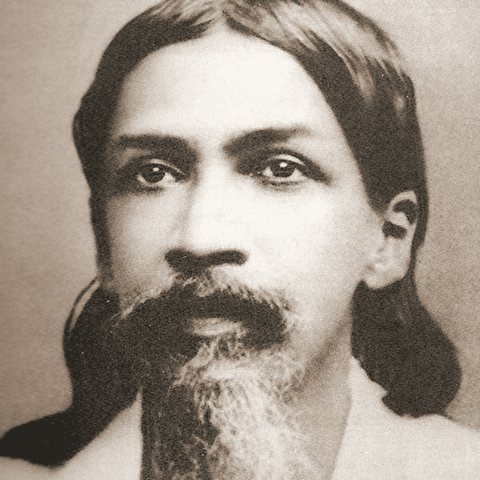
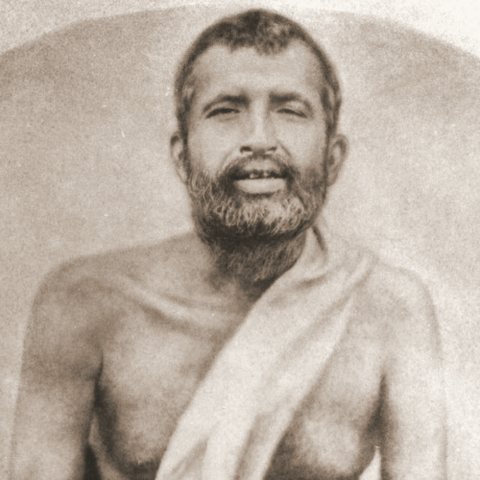
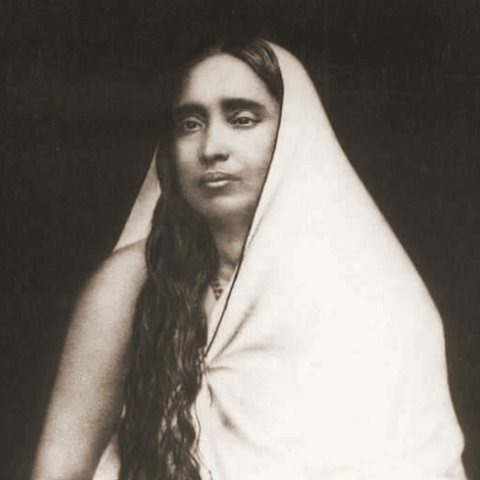
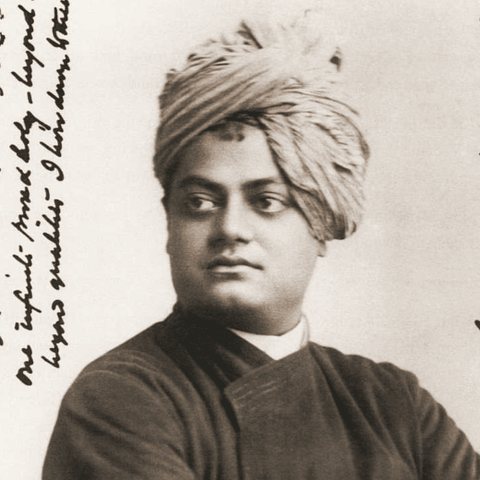
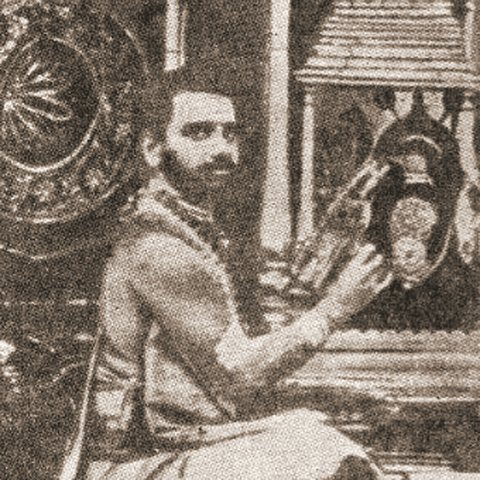
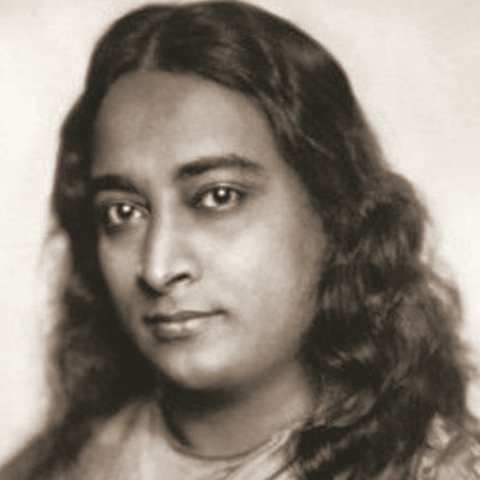
The Bṛhadāraṇyaka says a person is made of desire: as the desire, so the resolve; as the resolve, the deed; as the deed, what you become. This is not a condemnation; it is a lever. Sri Aurobindo's method is to see craving as a foreign element with its claws in you, and to reject it—not suppress it, which only holds it down. Sri Yukteswar: attachment lends an imaginary halo to what it wants. Yogananda: the more you depend on outside conditions for happiness, the less you will have. Ramakrishna named the two great appetites, lust and greed, and his antidote was not abstinence but substitution—he prayed for love and nothing else. The Īśā opens with the whole ethic: enjoy it by letting it go; do not covet. Periyava: reduce your wants and give the difference away. Valluvar ends his chapter on renunciation with a riddle—attach yourself to the unattached, so as to be free of attachment.
When they come, you must stand back from them in your mind, look at them and say, “I don't want this.”
I ask people to live in the world in a spirit of detachment. If you break the jack-fruit after rubbing oil on your hands, its sticky juice will not smear them.
Happiness is only an empty word; the real joy lies in God.
He who has nothing to desire for himself, whom does he fear, and what can frighten him?
Reduce your wants. Eat a little less than you would like; own a little less than you could; and give the difference to someone who has less. Contentment is not the fruit of spiritual life but its root.
Attachment is blinding; it lends an imaginary halo of attractiveness to the object of desire.
कर्मण्येवाधिकारस्ते मा फलेषु कदाचन ।
मा कर्मफलहेतुर्भूर्मा ते सङ्गोऽस्त्वकर्मणि ॥
Your right is to the action alone, never to its fruits. Do not let the fruit of action be your motive; and do not be attached to inaction either.
ईशा वास्यमिदं सर्वं यत्किञ्च जगत्यां जगत् ।
तेन त्यक्तेन भुञ्जीथा मा गृधः कस्यस्विद्धनम् ॥
All this, whatever moves in this moving world, is enveloped by the Lord. Enjoy it, then, by letting it go. Do not covet anyone's wealth.
ஐந்தவித்தான் ஆற்றல் அகல்விசும்பு ளார்கோமான்
இந்திரனே சாலுங் கரி.
Of the power of one who has stilled the five senses, Indra, king of the wide heaven, is himself the witness.
Yo sahassaṁ sahassena, saṅgāme mānuse jine;
ekañ ca jeyya attānaṁ, sa ve saṅgāmajuttamo.
If one man conquer in battle a thousand times thousand men, and if another conquer himself, he is the greatest of conquerors.
知人者智,自知者明。勝人者有力,自勝者強。
He who knows other men is discerning; he who knows himself is intelligent. He who overcomes others is strong; he who overcomes himself is mighty.
The rejection of desire is essentially the rejection of the element of craving, putting that out from the consciousness itself as a foreign element not belonging to the true self and the inner nature.
I prayed to the Divine Mother only for love. I offered flowers at Her Lotus Feet and said with folded hands: “O Mother, here is Thy ignorance and here is Thy knowledge; take them both and give me pure love for Thee.”
Bhakti is intense love to God; when a man gets it, he loves all, hates none; he becomes satisfied for ever.
One meal, given
- Once a week, eat one meal less, or one meal simpler, than you normally would.
- Give the cost of it—the actual food, if you can—to someone who needs it. A temple kitchen, a neighbour, a stranger.
- This was, in his life, not symbolic but literal. He ate once a day for eighty years.
What would you want if you could not keep it?
Other questions