Practices
Kailasanathar temple, Kanchipuram — Pinakpani, CC BY 4.0, via Wikimedia CommonsThings to actually do
Reading about the medicine is not taking it, as the Vivekachudamani says. Each of these is small enough to do today and comes from the master's own instructions, cited. None requires initiation, a teacher, or belief. All of them require repetition.
Not on this site: Kriya Yoga, SRF's meditation techniques, and any initiatory practice. These are given by their lineages, in person, after preparation, and we neither describe nor approximate them. What is here is what the masters taught openly.
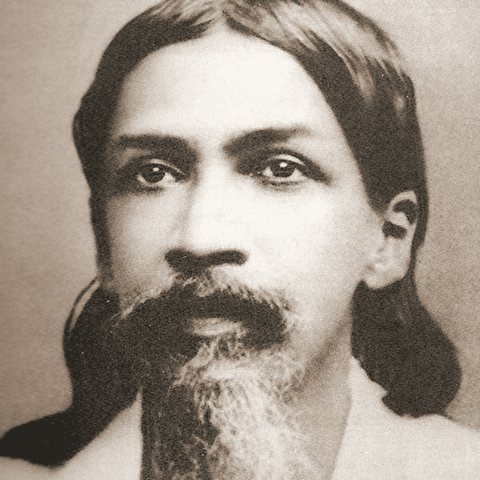
Concentration in the heart
- Sit quietly. Gather your attention and place it in the centre of the chest, behind the breastbone—what Sri Aurobindo calls the heart-centre, the seat of the soul.
- Hold it there. When it drifts to the head, or out to the room, bring it back without irritation. Effort is normal at first; later, he says, it becomes spontaneous.
- Add a wordless call—for peace, for light, for the Divine. Do not try to feel anything. Simply keep the attention there and the call alive.
- Ten minutes is enough to begin. The sign of progress is not a vision but a growing quiet sweetness.
Letters on Yoga II, “Concentration and Meditation” (CWSA 29) · source ↗
Standing back from a reaction
- When anger, fear or craving rises, do not act on it and do not fight it. Take one step back inside and watch it arrive, as a movement passing through you rather than as you.
- Name it plainly: “this is anger.” Then say, in his exact words, “I don't want this.”
- Do not expect it to vanish. It will return. Each time, stand back and refuse again. What weakens the habit is the refusal, not the victory.
Letters on Yoga IV, “Anger and Violence”; Letters on Yoga II, “Rejection” · source ↗
Offering the work
- Before beginning any task, offer it—silently, in a sentence or without words.
- Do it as well and as exactly as you can, for its own perfection, without demanding a result for yourself or insisting that it be noticed.
- When it is finished, offer the outcome too, whatever it is. Done this way, he says, the work itself becomes the yoga.
Letters on Yoga II, “Sadhana through Work” (CWSA 29) · source ↗
Going to sleep
- Lie down and relax the body deliberately—every limb, the face, the hands—until it is fully at ease.
- Quiet the thoughts. She says this should always be the first thing, before anything else.
- Then, with whatever sincerity you have, offer yourself in that relaxation—let go of the day into something larger than yourself.
- On waking, stay still a moment before moving. The night's dreams are often retrievable then, and she held that one can learn much from them.
Words of the Mother III, “Sleep and Dreams” (CWM 15) · source ↗
Working in the true spirit
- Choose any ordinary task of the day—not a special one.
- Do it with full attention and care for its perfection, as if it mattered absolutely, while holding inside a quiet remembrance of what you are doing it for.
- Expect nothing back—no thanks, no result. Let the doing be the offering.
- Notice afterwards whether the mind is quieter than it was. That, she says, is meditation.
Words of the Mother II, “Work” (CWM 14) · source ↗
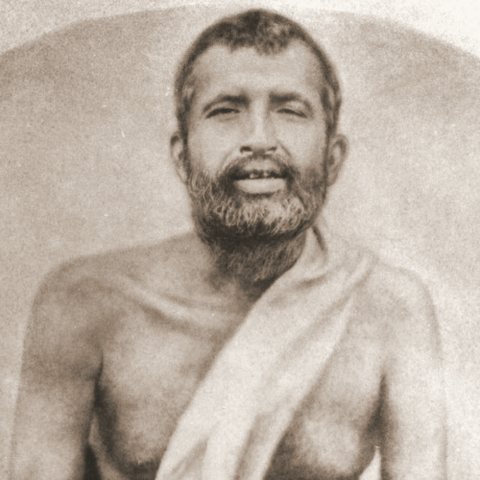
Calling with longing
- Choose one name or one form of God—any that you already love, or that your family loved. He was emphatic that it does not matter which.
- Sit, or walk, or lie down, and call. Not politely. He asked for the cry of a kitten, of a child for its mother—“an intense restlessness.”
- If tears come, let them. He held that tears shed for God do the work that years of argument cannot.
- Do this daily, briefly, and stick to the one path. Do not switch names when it gets hard.
The Gospel of Sri Ramakrishna, “With the Devotees at Dakshineswar (II)” · source ↗
Oil on the hands
- Before going into a demanding situation—a family argument, a difficult day at work, a negotiation—take two minutes alone.
- Remember, deliberately, that the people involved and the outcome do not ultimately belong to you. He said: “know in your heart of hearts that they do not belong to you.”
- Then go in and do your full duty. The remembrance is the oil; the situation is the jackfruit. The sap will not cling.
The Gospel of Sri Ramakrishna, “The Master on Himself” · source ↗
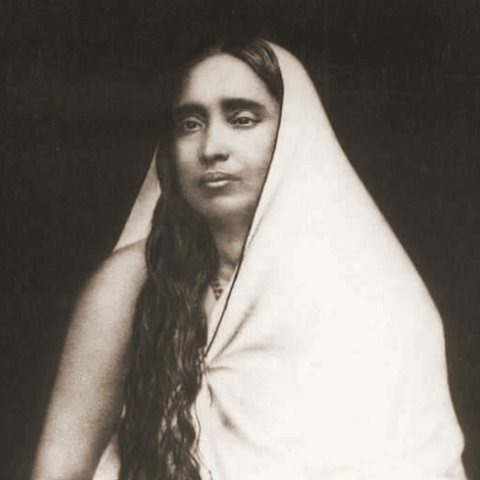
Japa, steadily
- Take a name of God—your own, your family's, or one given to you. Take a mala if you have one; the fingers if you don't.
- Repeat it, silently or in a whisper, for a fixed count or a fixed few minutes, morning and evening. Do not wait to feel like it.
- When the mind runs—and she said it will, like a wild elephant—do not fight it. Bring the name back. That return is the practice.
- She promised nothing quick: “everything will happen in time.” The habit is what carries you, not the mood.
Teachings of Sri Sarada Devi · source ↗
A day without fault-finding
- For one day, notice each time the mind begins to criticise someone—a colleague, a family member, a stranger, a politician.
- Do not suppress the thought; simply see it, and turn the same eye inward for a moment: is there something here that is mine?
- At the end of the day, note how much quieter the mind was. She taught that this, and not any technique, is the beginning of peace.
Her last message, July 1920 · source ↗
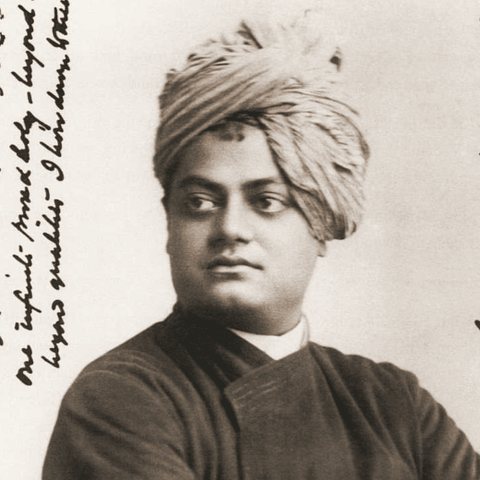
Vivekananda's sitting practice
- Practise twice a day, morning and evening. He said half an hour of each would “make you another person.”
- Sit erect, holding chest, neck and head in a straight line, in whatever posture is easiest for you.
- Before anything else, send goodwill outward. In his words: mentally repeat, “Let all beings be happy; let all beings be peaceful; let all beings be blissful.”
- Take a deep breath, fill the lungs, and slowly let it out. Continue slowly and rhythmically.
- Tell the body it is strong; tell the mind it is strong. Then sit in that strength, quietly, for the rest of the time.
- Expect nothing in a day. “It requires hard and constant practice.”
Raja-Yoga, “The First Steps”; Practical Religion: Breathing and Meditation · source ↗
Service, in the right direction
- Find one small, concrete act of help you can do this week for someone who cannot repay you.
- Do it without telling anyone and without expecting thanks.
- Afterwards, reverse the usual accounting: they did you a favour by letting you serve. Sit with that for a minute. He held that this, repeated, is how the chains come off.
Karma-Yoga, “We Help Ourselves, Not the World” · source ↗
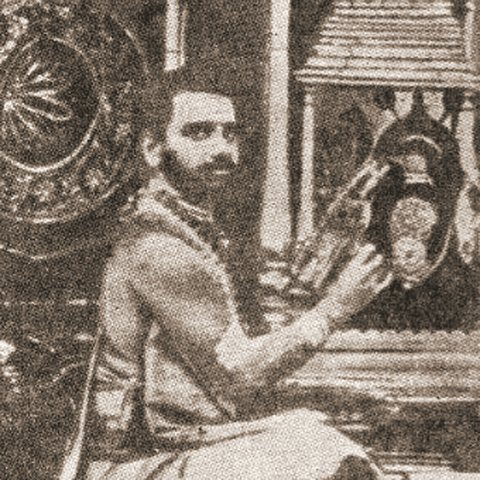
One meal, given
- Once a week, eat one meal less, or one meal simpler, than you normally would.
- Give the cost of it—the actual food, if you can—to someone who needs it. A temple kitchen, a neighbour, a stranger.
- This was, in his life, not symbolic but literal. He ate once a day for eighty years.
Deivathin Kural — on anna-dāna and simplicity · source ↗
A short daily rite
- Choose the smallest rite your own tradition offers—lighting a lamp, a few minutes of nāma-japa, a verse recited before food.
- Do it at the same time each day, without fail, whether or not you feel devotional. He held that the regularity is the training, and the feeling follows.
- If you have children, let them see it. He said the sound of the name heard in childhood does its work for a lifetime.
Deivathin Kural — on ritual and the name · source ↗
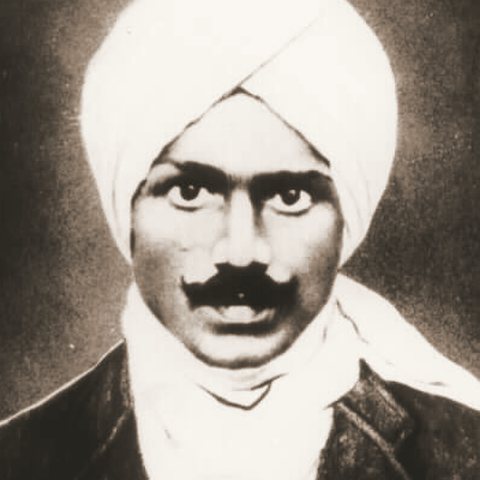
Sing “Achamillai”
- Learn the first three lines by heart—many recordings exist, and every Tamil schoolchild can teach you.
- Sing or say them, aloud, when fear rises: before a difficult conversation, in a hospital corridor, at three in the morning.
- Bharathi made it a refrain so that it would work as a mantra. Use it as one.
“Achamillai” — public domain · source ↗
Four things to ask for
- Each morning, say the four-line prayer: firmness in the mind, sweetness in speech, good thoughts, and that what you reach for should come to hand.
- Pick one of the four for the day. Watch for it.
- In the evening, ask which of the four you most lacked. That is tomorrow's.
“Manadhil Urudhi Vendum” — public domain · source ↗
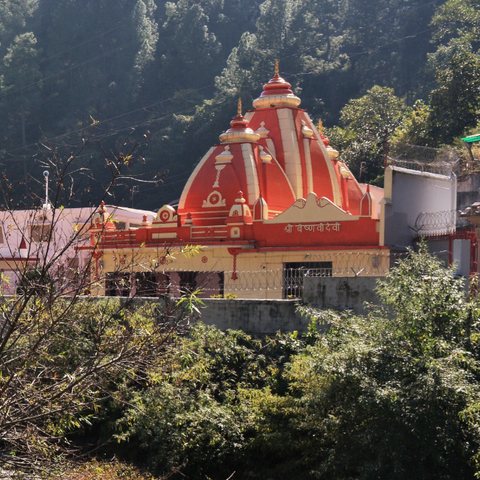
Feed someone
- This week, cook or buy a meal for someone who is not expecting it—a neighbour, a colleague, a person on the street, a relative you have been avoiding.
- Serve it with your own hands if you can. Sit with them if they will let you.
- Do not attach a lesson to it. He never did. The feeding is the whole teaching.
Neem Karoli Baba Ashram, Taos — “Feed Everyone” · source ↗
Hanuman Chalisa
- Tulsidas's forty verses to Hanuman, in Awadhi, are long out of copyright and easy to find; the Taos ashram publishes the text and a translation.
- Recite or sing it once, daily, at whatever speed you can manage—alone, with family, or along with a recording.
- He said every line was a maha-mantra. Do not worry about understanding it first. Understanding comes from repetition, not before it.
Neem Karoli Baba Ashram, Taos — Hanuman Chalisa · source ↗
A little less anger, each day
- Do not resolve to stop being angry. He said the greatest saints could not.
- Resolve instead to give up a little today—one retort not made, one grudge held five minutes less.
- When you must confront someone, do it; but keep them in your heart while you do. That is the only rule he gave.
Miracle of Love, “About Anger and Love” · source ↗
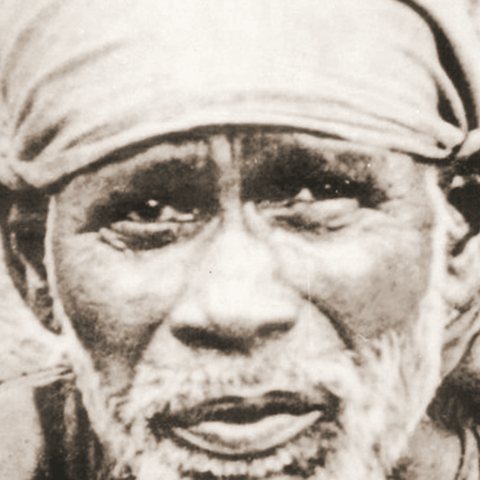
The two coins
- Name one situation in which you are waiting for an outcome you cannot control.
- Shraddha. For today, act as if the outcome is already held safely by something larger than you. Not believed—acted as if.
- Saburi. Do the next small piece of service the situation asks of you, and then the next. Patience is not waiting; it is continuing.
- Hand over the two coins again tomorrow. He asked for them every time.
Shri Sai Satcharitra, ch. 18–19 · source ↗
Reading the Satcharitra
- Devotees traditionally read the fifty-one chapters over seven days, a saptah, beginning on a Thursday.
- The Marathi original is in the public domain; the Sansthan publishes it in many languages, including Tamil. Read a chapter a day if a week is too fast.
- Read it as what it is—a devotional life written by an eyewitness—and let the stories do their work.
Shree Saibaba Sansthan Trust · source ↗
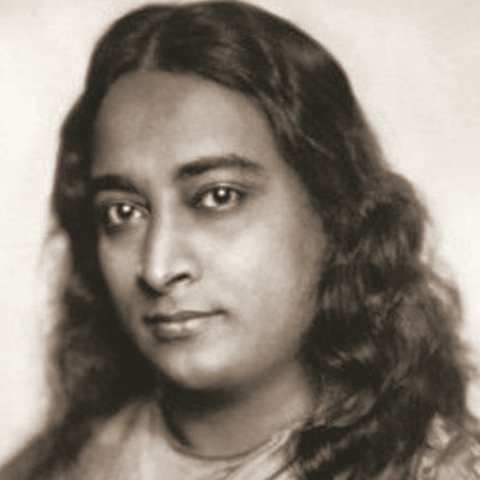
Affirmation, four ways down
- On waking or before sleep, sit erect with eyes closed and attention at the point between the eyebrows.
- Choose one published affirmation. YSS offers, for example: “God is within and around me, protecting me; so I will banish the fear that shuts out His guiding light.”
- Repeat it aloud several times. Then softly. Then in a whisper. Then only in the mind, until, in his words, you reach deep, unbroken concentration.
- The movement is from words to conviction. Do not skip stages.
Yogoda Satsanga Society, “Affirmations” · source ↗
Slow breath against dread
- He wrote that fear comes from the heart, and that when dread of illness or accident overwhelms you, you should “inhale and exhale deeply, slowly, and rhythmically.”
- Do exactly that for two minutes. Nothing more elaborate. No visualisation, no counting, no reference to energy or the spine.
- This is not Kriya and is not a step toward it. It is a calming practice he published for anyone.
Self-Realization Fellowship, “Conquering Fear, Anxiety and Worry” · source ↗